Diamond Flights: Separating Luxury From Marketing Hype

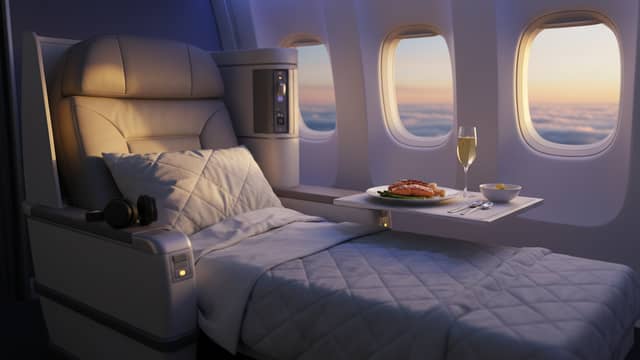
Diamond flights promise ultra-premium air travel. This article explains what's real, what's marketing, and when the cost doesn't justify the perks.
77 articles · Page 1
This section gathers everything the site publishes on where you sit and how you move up. Articles cover airline seat selection — aisle, bulkhead, exit row, blocked and adjacent seats — plus the mechanics of buffer seats and the shrinking odds of an empty middle. Upgrade coverage runs from bid-for-upgrade odds and cash upgrades to companion tickets, business class and premium economy pricing, and award flights booked with miles. Loyalty programs, alliances and frequent flyer tactics are compared side by side, alongside airport fast track and express lane access, private jet booking and other premium travel options. Expect explanations of how the pricing works and where the hidden costs sit.
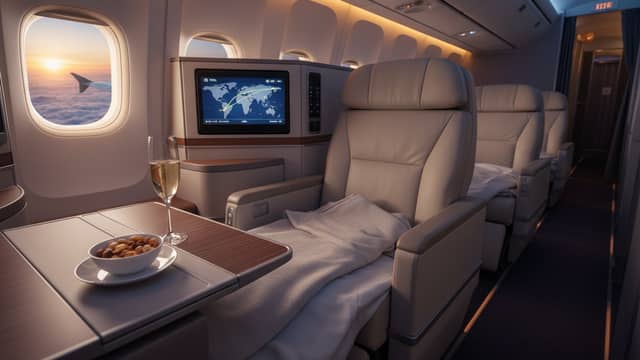
Diamond flights promise ultra-premium air travel. This article explains what's real, what's marketing, and when the cost doesn't justify the perks.
Space A flights offer low-cost military travel, but eligibility and booking are complex. This article explains the real requirements, ranking system, and success rates.
Elite flights now use AI and secret status tiers to define luxury travel. This article explains how algorithms reshape exclusivity and what separates true elite access from marketing hype.
Upgrade auction systems use hidden bidding wars and psychological tactics to influence travelers. This article explains how the bidding process works and reveals common misconceptions about airline upgrades.
Discover insights about improvement flights
Seat upgrades are no longer guaranteed by elite status or points. This article explains how airlines now use AI algorithms to decide who gets upgrades and maximize profit.
Discover insights about partner airlines
Discover insights about skip the line
Discover insights about inflight entertainment
Cash upgrade offers now rely on AI pricing engines that adjust in real time. This article explains how the economics of paid upgrades shifted and what travelers should know.
Flight gift cards offer flexibility but come with restrictions. This article explains the rules, limitations, and key considerations for giving and using airline gift cards.
Loyalty upgrades have shifted from rewarding mileage to prioritizing spending. This article explains the hidden mechanics airlines use to award first-class bumps today.
Points upgrades depend on hidden airline rules and algorithms. This article explains how upgrades actually work, the common traps, and evidence-based strategies that work.
Blocked seats are an airline tactic that limits passenger choice. This article explains what blocked seats are, why airlines use them, and their impact on your booking options.
Window seat flights attract travelers seeking views and privacy. This article explores why passengers covet these seats, the psychology behind the choice, and industry practices around allocation.
Exit row seats promise extra legroom, but airlines profit from the myth. This article compares the actual legroom gains against the cost and trade-offs involved.
Discover insights about status upgrade
First class flights blend luxury with hidden fees and psychological pricing tactics. This article explains what airlines don't highlight and how to get genuine value.
Lifetime status flights offer elite perks for life, but the article examines what they truly cost and whether they represent genuine travel freedom or an airline trap.
Business class flights promise luxury but hide their true value. This article explains the evolution of business class, reveals which perks matter, and covers AI-powered booking strategies.
Mileage upgrades promise premium seats but carry hidden costs and opaque rules. This article examines how the upgrade system works and when it's worth pursuing.
Gold member flights offer tangible perks but also drive status obsession. This article examines the psychology behind airline loyalty and what gold status actually delivers.
Sentri flights are often misunderstood as a shortcut to faster airport travel. This article explains what SENTRI actually is, what trusted traveler programs really offer, and where genuine speed comes from.
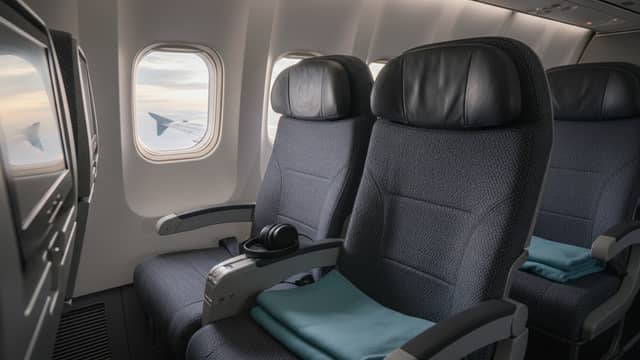
Extra legroom carries hidden economic trade-offs beyond comfort. This article explains how airlines decide seat spacing, the psychology behind premium cabin classes, and what drives pricing.
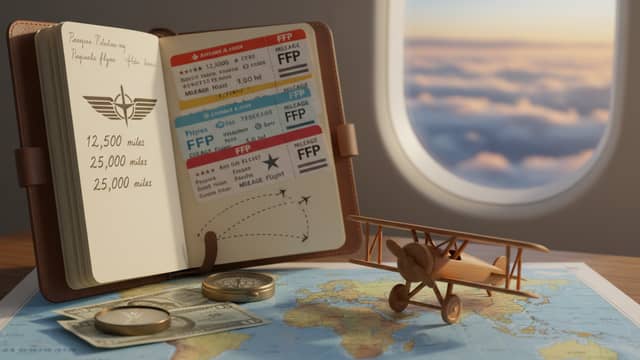
Frequent flyer programs reward loyalty with miles, but the rules have shifted dramatically. This article explains how airlines engineer the system and which strategies actually work.
Green lanes are dedicated urban roadways for low-emission vehicles and cyclists. This article examines their actual climate impact, controversies, and effectiveness in cities.
Trusted traveler programs offer expedited security screening at airports. This article examines the genuine convenience benefits and the data privacy trade-offs involved.
Discover insights about award flights
Premium services promise exclusivity but deliver mixed results. This article examines the mechanics of premium pricing, exposes common myths, and analyzes how AI is reshaping the sector.
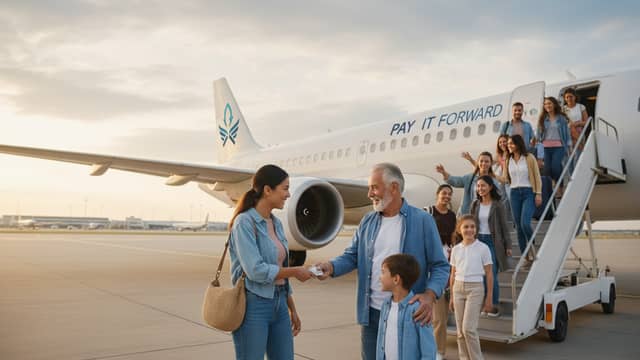
Discover insights about pay it forward flights
Adjacent seats are vanishing as airlines use algorithms and fees to separate passengers. This article explains the tactics airlines employ and strategies to secure seats together.
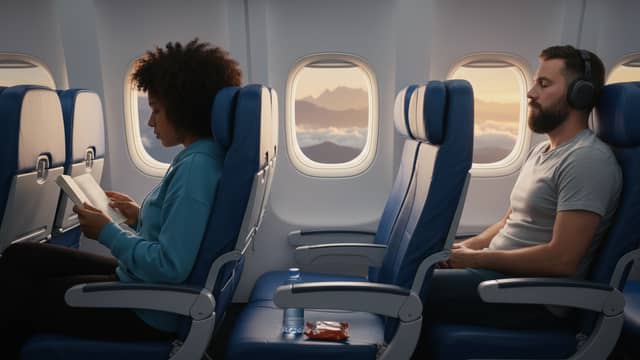
Seat selection shapes comfort, cost, and health. This article explains the psychological tactics and pricing algorithms airlines use to influence your choice.
Fast track security promises expedited airport lines, but the article examines hidden costs, actual risks, and whether the service delivers real speed or just status.
Giving back flights involves refunds, resale, or donation. This article explains the options available to travelers with unused tickets and how each option works.
VIP flights promise premium experiences, but come with hidden surcharges and fine-print restrictions. This article examines what VIP flights actually deliver in 2025.
Gate upgrade decisions are increasingly automated through AI algorithms that analyze traveler data and behavior. This article explains how airlines now assign upgrades.
Companion tickets promise discounted travel for two. This article examines how they work, their hidden costs, and whether they deliver real savings in 2025.
Buffer seat demand has surged as airlines reduce seat dimensions and pack flights fuller. This article explains the economics of buying an empty seat and what actually works.
Airlines use AI to allocate empty seats strategically. This article explains how occupancy rates, pricing algorithms, and seat allocation technology determine whether an empty seat stays vacant.
The empty middle seat represents a coveted luxury in air travel. This article examines airline economics, seat assignment algorithms, and the psychology behind the empty middle seat.
Upgrade bids are a gamble: airlines accept them only when the cabin has unsold seats, so the odds shift with each flight's load. The bid may also cost more than a straightforward cash upgrade or an award booking, and it can carry conditions on refunds and status credit. Comparing the bid against the published upgrade price before you commit is the practical step.
Airlines increasingly hold back or charge for seats that sit together, so free adjacent pairs are limited and go early. Checking the seat map as soon as booking opens, and again after check-in opens when blocked seats are released, gives you the best chance. On some fares, seat selection is only available for a fee at any stage.
It depends on what you want: bulkhead and exit rows offer more legroom but often have fixed armrests and no under-seat storage, while aisle seats give freedom to move and window seats give a wall to lean on. Rows near galleys and lavatories tend to be noisier. The trade-off is usually legroom against noise, recline and storage.