

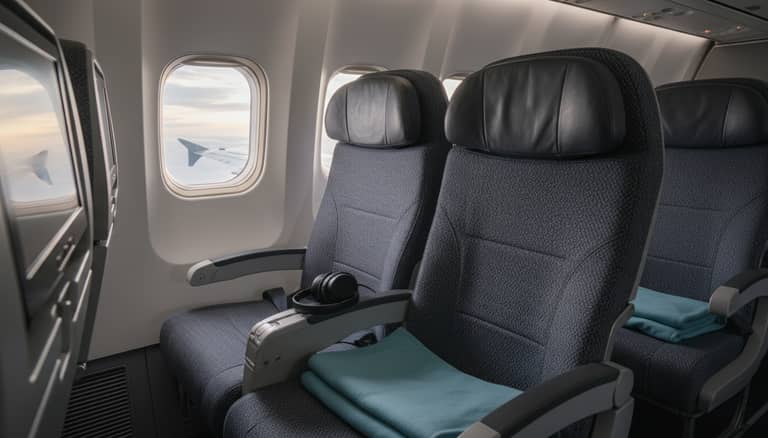
Adjacent Seats Are Disappearing Fast – the Data-Driven Way to Sit Together
Written with AI assistance under our editorial guidelines
Airlines have systematically engineered seat separation through unbundled pricing models, converting once-included adjacent seat assignments into premium extras. This strategy generated $2.5 billion in seat selection fees in 2025, deliberately fragmenting families and travel companions across the cabin to maximize revenue while creating an appearance of scarcity around previously standard seating arrangements.
Think you and your travel companion will always end up side by side on your next flight? Think again. In 2025, adjacent seats—those precious, side-by-side spaces we once took for granted—have become the airline industry’s favorite chess piece. Behind every cheerful booking interface lurks a web of algorithms, hidden fees, and policy loopholes designed to separate you from your travel partner (and your wallet). This is not just a mild inconvenience: it’s an engineered epidemic that targets families, friends, and anyone hoping for a little solidarity at 35,000 feet. Welcome to the brutal reality of adjacent seats—where what you don’t know can definitely cost you.
Whether you’re navigating the maze of family seating airline policies, scheming for adjacent seat hacks, or simply trying to make sense of how to get seats together on a plane, this deep-dive exposes the raw truths the airline industry works hard to keep out of sight. We’re going to dissect the psychology, economics, and algorithms behind seat separation, debunk the most pervasive myths, and give you battle-tested strategies for beating the system in 2025. From data-backed case studies to insider secrets, every insight is grounded in current fact and ruthless transparency. Buckle up—your seatbelt is fastened, but your seatmate may not be.
The new seat separation epidemic: Why finding adjacent seats is harder than ever
How airlines quietly changed the rules
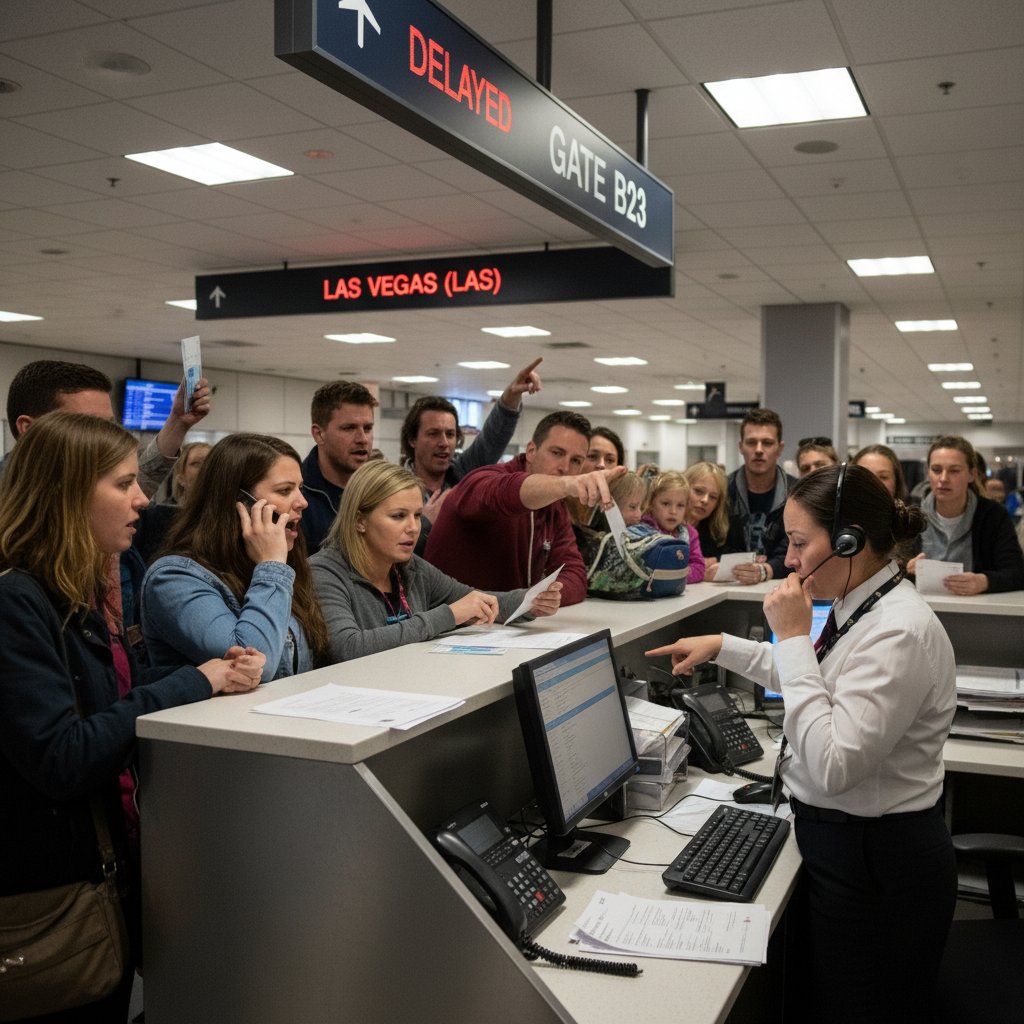
Picture this: A family of four boards an early-morning flight, tickets booked together months in advance. As they navigate the crowded cabin, tensions rise—the mother is assigned row 12, the father and son are split between rows 18 and 22, and the youngest, barely six, finds herself sandwiched between two strangers. The parents plead with the crew, but the best they can get is a swap with another solo traveler, leaving the family scattered. This scenario, once rare, is now an all-too-common scene in airports worldwide.
What happened? Over the past decade, airlines have systematically rewritten the rules of seat assignment. Since the 2010s, carriers have steadily shifted from all-in-one fares to “unbundled” pricing. This means that what used to be included—like selecting adjacent seats for your family—is now an “optional” extra, often at a hefty price. According to a recent analysis by MightyTravels, 2025, adjacent aisle seats became a primary driver for the airlines’ whopping $2.5 billion in seat selection fees this year.
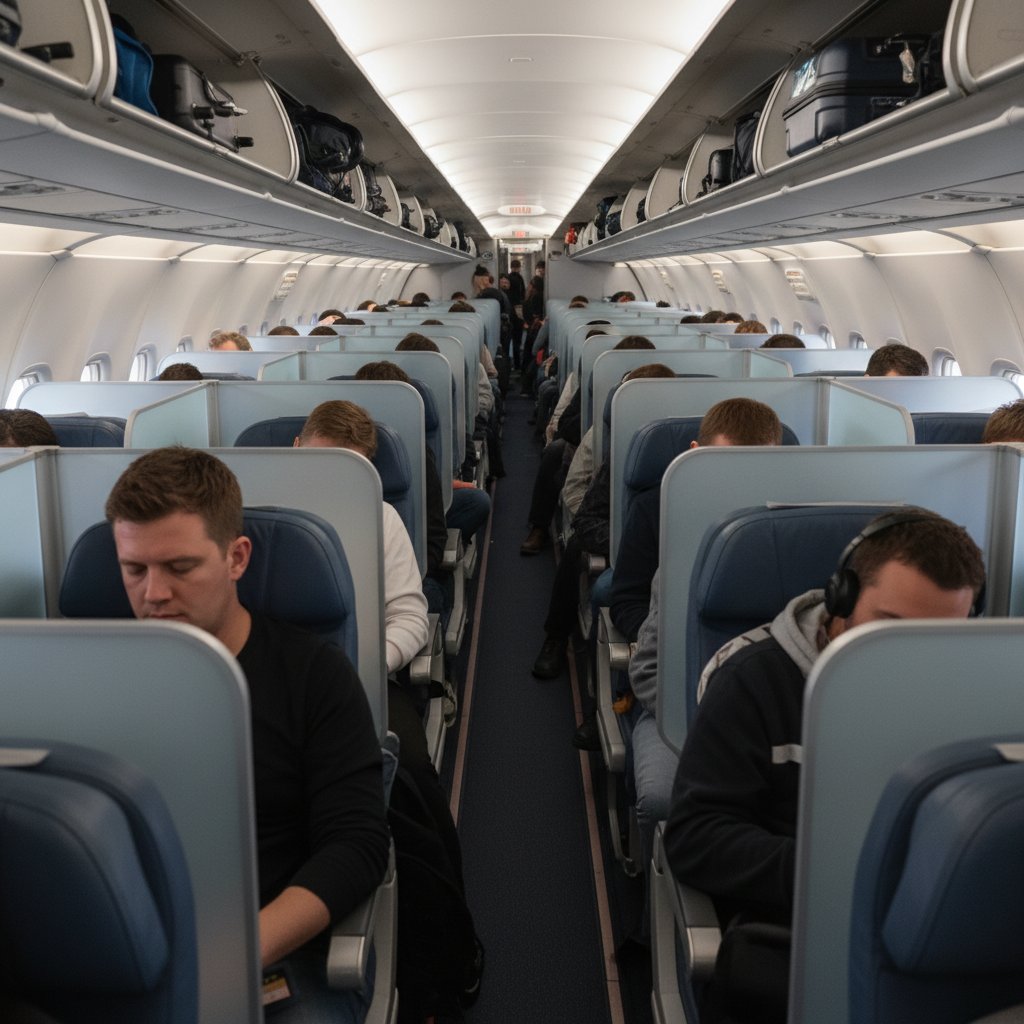
Unbundled fares aren’t just a cash grab; they’re a strategic move. Airlines hold back larger and larger blocks of adjacent seats for elite loyalty customers or those willing to pay a premium. Dynamic pricing—where fees rise the closer you get to departure—means that waiting can double or triple your costs. The result? Even booking as a group offers no guarantee you’ll stay together. If you don’t pay, you may be scattered—regardless of your travel needs.
| Year | Major Policy Change | Effect on Adjacent Seat Availability |
|---|---|---|
| 2010 | Introduction of Basic Economy fares | Adjacent seat selection becomes a paid add-on |
| 2015 | Dynamic seat pricing adoption | Prices fluctuate, fewer free adjacent seats |
| 2020 | Elite loyalty seat holds expand | More adjacent seats reserved for frequent flyers |
| 2023 | Widespread unbundling of fares | Default bookings rarely include adjacent seats |
| 2025 | AI-optimized seat monetization | Algorithms maximize revenue; adjacent seats even harder to book |
Table 1: Timeline of major seat selection policy changes (Source: Original analysis based on MightyTravels, 2025, CheapAir Blog)
The psychology of sitting together: It’s more than comfort
Why does it matter if you’re assigned adjacent seats? Beyond convenience, there are deep psychological currents at play. Sitting together is about maintaining emotional security, especially for children or those with travel anxiety. Studies reveal that forced separation can increase panic attacks, disrupt sleep, and even make medical emergencies harder to manage.
"Separating families isn’t just inconvenient—it’s traumatic for kids." — Maya, travel psychologist, CheapAir Blog, 2025
According to recent research, children split from parents are more likely to experience acute stress during flights. It’s not just about comfort; it’s about psychological safety. Airlines exploit this emotional leverage—knowing that most parents will pay additional fees rather than risk distress for their family. That’s why you see the upsell for adjacent seats at nearly every step of the booking process.

The hidden economics of adjacent seats
Let’s pull back the curtain: Seat selection isn’t just about logistics; it’s a goldmine. Airlines have turned the pain of separation into a revenue stream. In 2025, global airlines raked in an estimated $2.5 billion just from seat selection fees, with adjacent seats representing the lion’s share, according to MightyTravels, 2025.
Dynamic pricing means you might pay $10 for a standard seat today, $40 for an aisle, or $100+ for adjacent premium spots near the front—depending on demand and timing. What airlines say publicly (“We try to seat families together”) rarely matches reality. Most disclaim any guarantee for adjacent seats unless you pay upfront. Their systems are designed to maximize upsell, not passenger satisfaction.
| Airline | Adjacent Seat Selection Fee (Economy) | Premium for Aisle/Front Adjacent | Free Adjacent Seats for Families? |
|---|---|---|---|
| American Airlines | $25–$80 | +$30–$60 | No (unless elite/flexible fare) |
| Delta | $20–$70 | +$35–$80 | No guarantee |
| United | $18–$90 | +$40–$100 | Only if seats available at check-in |
| JetBlue | $15–$60 | +$25–$55 | Not guaranteed; some family policies |
| Ryanair | $12–$45 | +$20–$50 | No |
Table 2: Comparison of adjacent seat selection fees across top airlines in 2025.
Source: Original analysis based on MightyTravels, 2025, CheapAir Blog, 2025
So, when airlines claim they “try their best” to keep groups together, remember: their algorithms are programmed to maximize revenue first. And the next section? We’ll dive into the tech that makes separation—and upselling—so ruthlessly efficient.
Algorithm nation: How computers decide if you sit together
What is a seat allocation algorithm?
At the heart of every boarding pass is a cold, calculating brain: the seat allocation algorithm. This is a set of computer instructions that determines who sits where, using an array of variables from booking time to loyalty tier to seat selection revenue potential. The result? The “random” seat you get is anything but.
Key terms explained:
- Seat allocation algorithm: Software that assigns seats based on complex rules, optimizing for revenue, loyalty, and operational needs.
- Yield management: The airline industry’s science of pricing and inventory control, maximizing profit from every seat sold.
- Adjacent seat mapping: The process of identifying seat pairs or clusters which can be sold together at a premium, then restricting access unless extra fees are paid.

How your data influences your seat fate
Every detail you provide—name, frequent flyer status, group size, even email domain—feeds the system. Airlines track how early you book, if you’ve paid for extras before, and whether you’re part of a group. Algorithms parse this data to decide who gets first dibs on adjacent seats.
There’s a dark side to this data-driven dance. Most travelers have no clue how much of their personal info is used against them. Transparency is almost nonexistent; airlines rarely share the nitty-gritty of their allocation logic.
"Most travelers have no idea an algorithm is choosing who sits together." — Alex, ex-airline systems engineer, MightyTravels, 2025
Here’s how it plays out: Book early? You might get adjacent seats—if you pay. Traveling as a family? The system may split you unless you pony up for selection fees. High status, late booking? Algorithms may bump you ahead of regular customers. It’s a hierarchy that rewards the biggest spenders and the most loyal, while the rest battle for scraps.
Edge cases: When the system breaks down
Algorithms aren’t infallible. Every week, airlines field complaints from families or groups split across the aircraft, even when they followed all the advice—booking early, checking in promptly, calling customer service. Sometimes, the system assigns seats based on operational needs, not passenger preference—think balancing aircraft weight or accommodating last-minute wheelchair requests.
Airlines have experimented with “family seating blocks” and “hold to assign” options at check-in, but results are mixed. When the system fails, travelers pay the price: missed moments, stress, or even safety risks if a child is seated apart from a caregiver.
Busting the myths: What airlines and travel blogs get wrong about adjacent seats
Top 5 myths debunked
Misinformation about adjacent seat selection is rampant, fueled by outdated travel blogs and airline marketing. Here’s what they get wrong:
- “Check-in early always works.”
Reality: Early check-in helps, but airlines often hold adjacent seats for premium buyers or last-minute upgrades. No guarantee. - “Gate agents have unlimited power.”
Reality: Agents can’t override locked seat blocks or sell you reserved adjacent seats on the spot. - “All seats are released at check-in.”
Reality: Some are, but many remain restricted for operational reasons or upsell opportunities until boarding. - “Booking together means sitting together.”
Reality: Unless you pay, booking as a group does not guarantee adjacent seats anymore. - “Families must be reunited onboard.”
Reality: Airlines say they “try,” but are not legally required to seat families together in most markets.
These myths persist because they’re profitable—airlines benefit from confusion, and travel sites chase clicks with oversimplified “hacks” that often fail.
Real consequences of believing the hype
Consider the Smiths, a family of five who relied on a travel blog tip to check in exactly 24 hours before their flight. They still ended up in five different rows. Or Tasha, who thought gate agents would help her sit next to her elderly mother, only to find those seats were “locked” for unknown reasons. According to data compiled by MightyTravels, 2025, success rates for common adjacent seat “strategies” are shockingly low unless you pay upfront.
| Strategy | Success Rate (%) | Comments |
|---|---|---|
| Booking early, no seat fee | 30 | Adjacent seats often blocked |
| Checking in 24 hours early | 25 | Some success, but highly variable |
| Relying on gate agent | 15 | Rarely works—agents are restricted |
| Swapping with passengers | 35 | Possible, but depends on kindness of others |
| Paying for selection | 98 | Only near-certainty |
Table 3: Effectiveness of common adjacent seat strategies.
Source: MightyTravels, 2025
When travelers believe the hype, frustration and disappointment are almost guaranteed. The next section? It’s all about what actually works in today’s high-stakes seat map game.
How to guarantee adjacent seats in 2025: Real strategies for real travelers
Step-by-step: Booking adjacent seats like a pro
Navigating adjacent seat selection in 2025 is a minefield—but not impossible. Here’s your 8-step battle plan:
- Book as early as possible, ideally 6+ weeks out.
Airlines release most adjacent seats earliest and reserve blocks as the flight fills. - Avoid basic economy fares.
These almost never include adjacent seat selection. - Use the airline’s seat map tool at booking.
Check for true adjacent availability, not just “preferred seats.” - Pay for seat selection if adjacent seats are crucial.
It’s often the only guarantee. - Monitor seat maps every week.
Seats sometimes open due to cancellations or status upgrades. - Leverage loyalty programs.
Elite status can give early or complimentary access to adjacent seats. - Check third-party tools for released inventory.
Sites like futureflights.ai aggregate seat maps and notify you of changes faster than most airlines. - Re-check at online check-in and at the airport.
Last-minute releases can happen—even minutes before boarding.
Don’t fall for the “secret tricks” peddled by clickbait sites. The real edge lies in vigilance, timing, and knowing how the system works. Avoid common mistakes like assuming booking together is enough or relying on agent goodwill—these are relics of a more generous era.
What if you’re separated? Last-minute hacks
Even pros get caught out. If you’re split up, these hacks can boost your odds of reuniting onboard:
- Politely ask gate agents about last-minute releases. Sometimes, a few seats unlock close to departure.
- Use seat map apps (like SeatGuru) to spot open pairs. Move quickly if any become available.
- Leverage flight attendants discreetly post-boarding. They can sometimes facilitate swaps.
- Appeal to fellow passengers’ empathy. A compelling, polite ask—especially with kids—still works.
- Travel with small gifts (snacks, headphones) as swap incentives. It’s surprising how much a gesture can sway a decision.
- Offer to take a less desirable seat (middle/near lavatory) in exchange. Flexibility pays off.
- Use social proof—if others are swapping, ask to join the domino. People are more likely to help in groups.

Kids, seniors, and special cases: What you need to know
For the most vulnerable travelers, rules differ—but not always in your favor. Airlines are under growing scrutiny for “involuntary separation” of kids from parents or seniors from caregivers.
Key terms explained:
- Involuntary separation: When the airline assigns group members seats apart despite booking together.
- Special assistance: Services for those needing extra help (e.g., wheelchair, medical needs).
- Family seating policies: Airline-specific rules (often weak) stating they “try” to seat families together, but rarely guarantee it.
For example, on some U.S. airlines, families with young children can request seating together at no extra charge—but only if adjacent seats are available at booking or check-in. Seniors with disabilities may get priority, but documentation is often required. Outcomes vary: some families get lucky with a helpful agent, others are stonewalled by “system limitations.”
The global perspective: Adjacent seats beyond the U.S. and Europe
How other industries handle adjacent seating
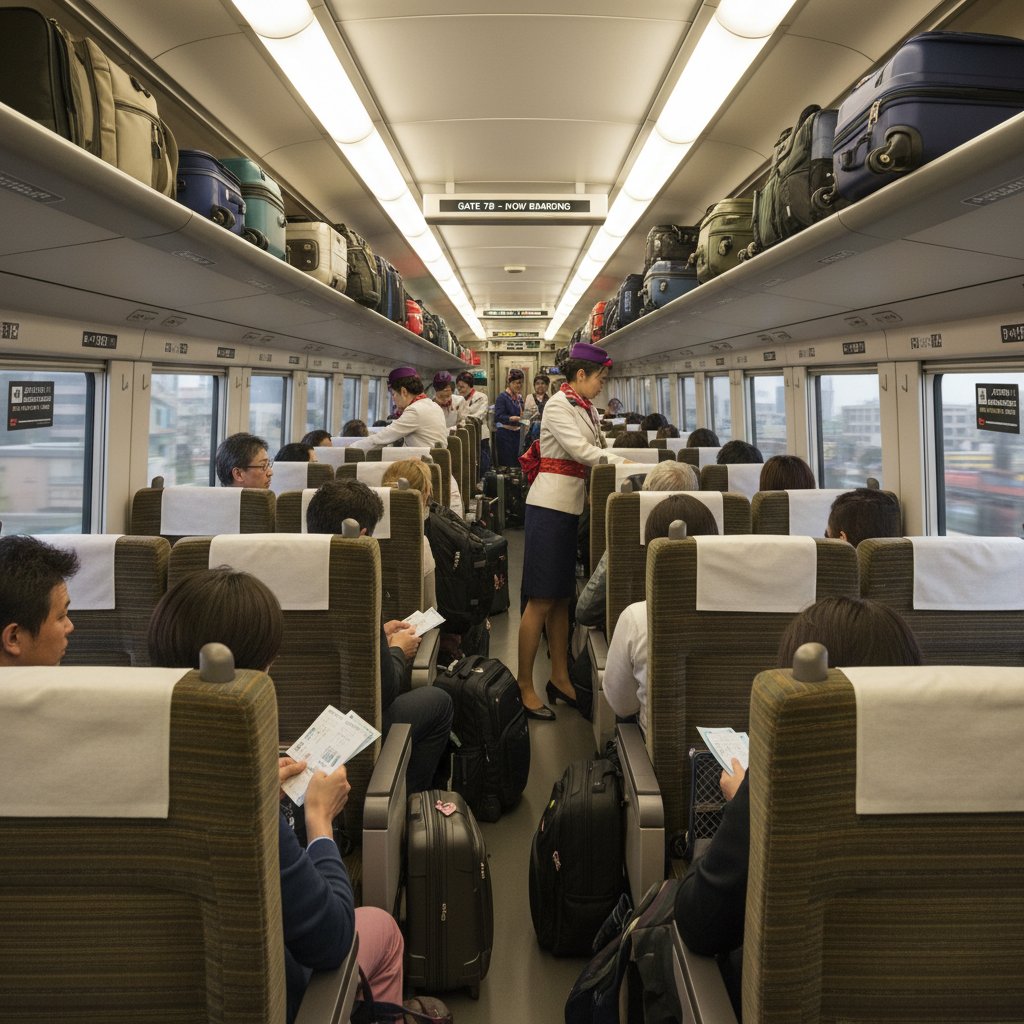
Airlines could learn a thing or two from their terrestrial cousins. On Japanese trains, adjacent seats for groups are standard, not a privilege. European theaters routinely block seats for group bookings, releasing them only if not sold close to showtime.
Contrast this with the chaotic free-for-all of airplane boarding, where families jostle for space and hope for the best. The lesson? Adjacent seat guarantees are possible—it’s a matter of will, not logistics.
Cultural attitudes toward sitting together
Expectations about adjacent seats vary worldwide. In Japan and much of Asia, group seating is a cultural norm. In the U.S. and parts of Europe, individualism sometimes trumps group preference, which airlines exploit to upsell. In many Latin American countries, social ties are paramount—airlines that split families face public backlash.
Forced separation has deeper social consequences in cultures where communal travel is the norm, leading to anger and loss of brand trust. Will technology and AI adapt to these differences, or standardize separation everywhere? That’s a question only airlines can answer—if they choose to listen.
The future of adjacent seats: AI, personalization, and the next wave of travel tech
Inside the next-gen seat selection systems
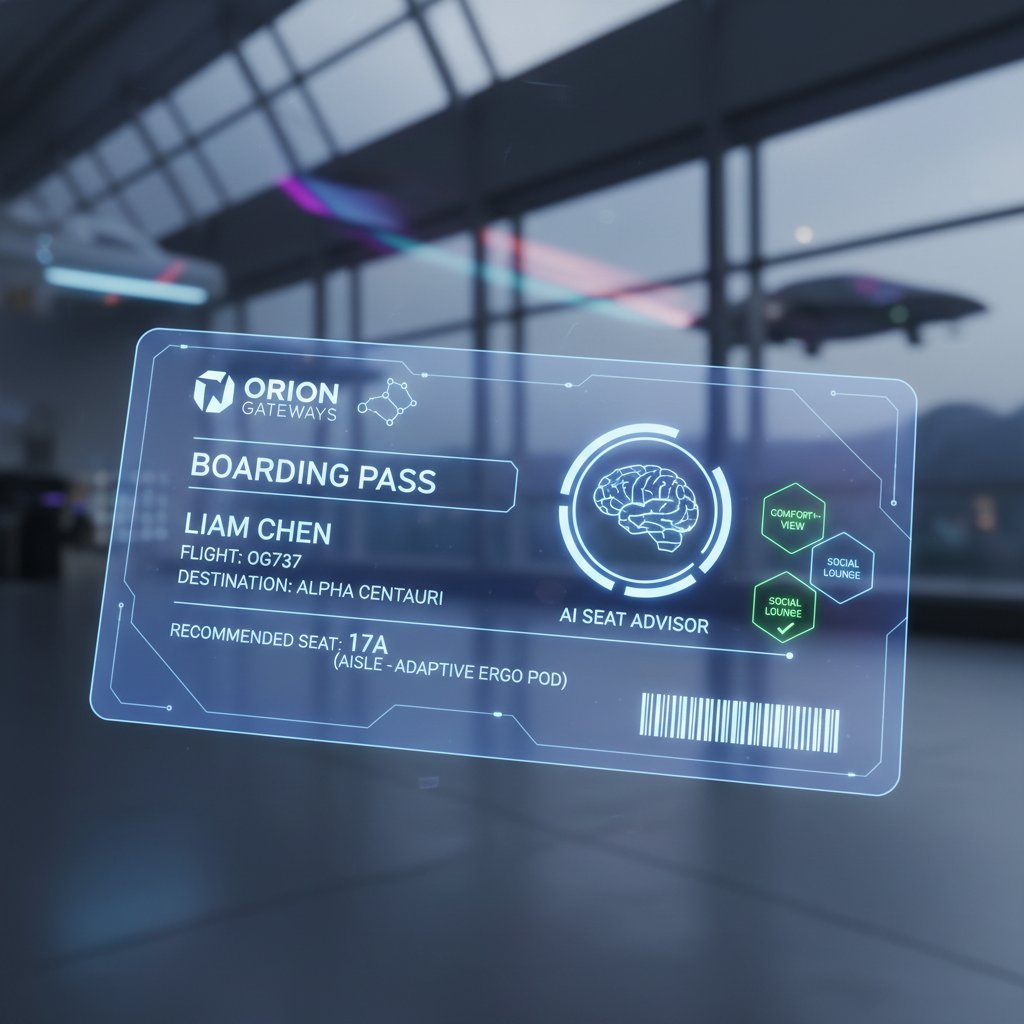
2025 marks a new frontier: AI-driven seat mapping. Airlines deploy large language models (LLMs) and predictive analytics to forecast which passengers will pay for adjacent seats—and how much. The result: more precise segmentation, tighter control, and, for those in the know, smarter ways to game the system.
Platforms like futureflights.ai harness this technology for good, analyzing fare trends and seat map data across carriers to alert you when adjacent seats open up or when prices are about to spike. The booking experience itself is being reimagined, with AI-powered suggestions that match your unique travel patterns and group size.
Will technology finally fix the problem—or make it worse?
Let’s get real: Technology is a double-edged sword. Sure, AI can personalize recommendations and surface hidden adjacent seat pairs. But it also enables airlines to extract maximum revenue from those who value proximity most.
"The smarter the system gets, the more airlines can charge." — Jamie, travel tech analyst, MightyTravels, 2025
Best case? Tech empowers savvy travelers with transparency and real-time inventory. Worst case? Adjacent seats become an even more exclusive, expensive privilege. Likely reality? A hybrid—those who know how to use new tools (and when to pay) will win, while the rest are left out.
Checklist for evaluating new tech tools for adjacent seats:
- Does it aggregate real-time seat map data across airlines?
- Can you set alerts for adjacent seat availability or price drops?
- Does it integrate loyalty and group booking features?
- Is privacy protected (no selling your data to airlines)?
- Can you see historical seat release patterns to time your booking?
- Are customer support and advocacy features included?
Regulatory battles and consumer rights in 2025
Regulation around adjacent seats is a patchwork. In the U.S., the Department of Transportation has issued guidance urging airlines to seat families together “whenever possible,” but stops short of requiring it. The EU has similar non-binding recommendations.
| Year | Regulatory Action | Impact on Adjacent Seats |
|---|---|---|
| 2015 | EU “Family Seating” Guidelines | Airlines urged to seat minors with parents, no enforcement |
| 2018 | U.S. DOT “Family Seating” Notice | Encouragement, but no mandate |
| 2022 | Canada requires airlines to seat minors with parents | Law, but loopholes remain |
| 2024 | UK Civil Aviation Authority review | Recommendations, not requirements |
| 2025 | Increased consumer advocacy | Calls for enforceable rights grow louder |
Table 4: Timeline of major regulatory actions affecting adjacent seat rights (Source: Original analysis based on MightyTravels, 2025)
Advocates are now demanding clear, enforceable guarantees—especially for families and vulnerable travelers. Whether regulators act remains to be seen, but consumer pressure is building.
Adjacent seats in the wild: Real stories, outrageous outcomes
Survivor stories: When it all goes wrong
The Johnsons, a family of five, meticulously booked together but landed in five separate rows when the airline “ran out” of adjacent seats at check-in. They spent the flight passing snacks and notes aisle to aisle, their vacation starting with stress and resentment.
Next, consider Leo, a business traveler split from his team on a critical flight. A missed conversation cost him a major deal, with the team unable to strategize en route.
Finally, the Nguyens, traveling with a 7-year-old with epilepsy, were separated despite submitting a medical request. After frantic negotiations, the family was only partially reunited—the mother next to the child, the father and sibling three rows back.

The takeaway? Each scenario underscores how adjacent seat failures compound stress, erode trust, and sometimes carry real risks.
When adjacent seats saved the day
Not all stories end in frustration. When Emily, battling flight anxiety, was seated beside her partner thanks to a proactive agent, she finished the flight calm—and grateful. On another flight, a quick-thinking crew helped a doctor and patient swap seats mid-flight during a medical emergency, ensuring critical care was within arm’s reach.
For business travelers, sitting together enabled last-minute prep, turning a potential disaster into a landed deal. In each case, quick action, polite requests, and sometimes sheer luck made the difference.
Lessons? Act early, know your rights, and don’t underestimate the power of a well-timed ask.
Beyond the obvious: The ethics and hidden costs of separating travelers
The ethics of enforced separation
There’s a seamy underside to all this: Is it ethical for airlines to force families, friends, or caregivers apart for profit? It’s a question that cuts to the heart of travel’s social contract. Airlines argue that unbundling keeps fares low, but critics see it as a calculated squeeze—especially given the psychological and practical harm to children, elderly, and those needing assistance.
Passenger well-being is pitted against revenue. For every traveler who shrugs, there’s a parent or caregiver fighting tears and frustration at the gate. The industry has a choice: treat people as cargo, or as valued guests.
The hidden costs: Emotional, financial, and societal
Beyond fees, the cost of separation is measured in stress, missed moments, and even productivity losses. Families now spend hundreds extra yearly to secure adjacent seats—costs that disproportionately hit those with tight budgets.

Societally, repeated negative experiences breed distrust. Travelers share horror stories online, eroding loyalty and fueling calls for regulation. Airlines may win the short-term game, but the long-term reputational damage is real.
Quick reference: Adjacent seats hacks, checklists, and must-know jargon
10 hidden benefits of adjacent seats experts won’t tell you
- Emergency support: Immediate help from a companion in case of illness or turbulence.
- Shared entertainment: Stream movies on one device, swap headphones, or game together.
- Better sleep: Lean on each other for rest, or swap the coveted window spot.
- Child supervision: Keep an eye on kids, reducing stress and safety risks.
- Meal coordination: Trade meal options or handle special dietary needs fluidly.
- Stress reduction: Lower anxiety for nervous flyers through proximity and reassurance.
- Lost item watch: Guard each other’s belongings during bathroom breaks or naps.
- Efficient boarding: Enter and exit the row together—no awkward seat shuffling.
- In-flight planning: Coordinate travel plans, review itineraries, or prep for meetings.
- Shared resources: Split use of blankets, chargers, or snacks to maximize comfort.
Priority checklist: Don’t miss these steps for adjacent seats
- Research airlines’ seat selection policies before booking.
- Choose fares that include seat selection whenever possible.
- Book as far in advance as possible, ideally 6+ weeks out.
- Use airline and third-party seat map tools to confirm availability.
- Pay for adjacent seats if they matter most—don’t risk it.
- Check seat maps weekly for changes or newly released seats.
- Set alerts on platforms like futureflights.ai for seat drops.
- Re-check at online check-in (24–48 hours pre-flight).
- Arrive at the airport early and confirm with gate agents.
- Use polite, clear language if requesting swaps with passengers.
- Bring small gifts or incentives for fellow travelers.
- Document issues and escalate with customer service if separated.
Adjacent seats jargon buster
- Seat map: The interactive chart showing available and occupied seats when booking.
- Block seating: When airlines reserve a section of seats for certain customers, often elites.
- Yield management: The process of dynamically pricing seats to maximize revenue.
- Preferred seating: Seats with extra benefits (proximity, legroom) sold at a premium.
- Open seating: First-come, first-served seat selection, rare outside budget carriers.
- Involuntary separation: Airline-initiated assignment of group members to different seats.
- Dynamic pricing: Prices for seat selection change based on demand and timing.
- Overhead bin guarantee: Some airlines offer this as a paid extra—adjacent seats don’t guarantee it.
Understanding this lingo empowers you to spot upsells, avoid traps, and advocate for your rights.
Section wrap-up: Synthesis, next steps, and the fight for better seats
Key takeaways and action plan for smarter travelers
Let’s cut through the chaos. Adjacent seats are scarcer, more expensive, and more algorithmically controlled than ever. Airlines have made separation a business strategy, not a mishap. But information is power: by understanding how the system works, debunking the myths, and deploying smart booking strategies, you can take back control.
Apply these lessons: book early, pay for what matters, use tech tools like futureflights.ai to stay informed, and advocate fiercely when things go wrong. The battle for adjacent seats is about more than comfort—it’s about fair, human-centered travel.

Where to go from here: Demanding change and staying ahead
Don’t accept separation as inevitable. Advocate for fairer airline policies by voicing your experiences, supporting regulatory action, and sharing knowledge. Stay up to date with new tech and policy shifts—tools like futureflights.ai offer you an edge, but only if you use them.
The final question is yours: Will you settle for a system that profits from your separation, or will you demand—and create—something better? The next time you fly, make your seat choice a stand for better travel.
Sources
References cited in this article
- MightyTravels, 2025 – The Middle Seat Strategy(mightytravels.com)
- Reddit: American Airlines seat advice(reddit.com)
- CheapAir Blog(cheapair.com)
- MightyTravels, 2025 – Airline Seat Selection Data(mightytravels.com)
- AP News: Tips for finding adjacent seats(apnews.com)
- Federal Register: Family Seating in Air Transportation(federalregister.gov)
- Reuters: US proposes barring airlines from charging family seating fees(reuters.com)
- MightyTravels, 2025 – Flight Search Algorithms(mightytravels.com)
- FlyerTalk: United Airlines upgrade algorithm discussion(flyertalk.com)
- Paliparan: Automatic Seat Assignment(paliparan.com)
- FlyerTalk: Ryanair seat allocation algorithm(flyertalk.com)
- Expedia 2025 Air Hacks Report(m.economictimes.com)
- MightyTravels, 2025 – Seat Policies Decoded(mightytravels.com)
- Frontier Airlines Seating Options(flyfrontier.com)
- Travel and Tour World: Iberia Airlines expansion(travelandtourworld.com)
- Future Market Insights: Automotive Seating(futuremarketinsights.com)
- Market Research Future: Stadium Seating(marketresearchfuture.com)
- TravelTech Show 2025(traveltech-show.com)
- PRNewswire: Trip.com Group at ITB Berlin 2025(prnewswire.com)
- US DOT: Latest News(transportation.gov)
- PIRG: New Airline Passenger Rights(pirg.org)
Discover Flights Beyond Imagination
FutureFlights.ai redefines your travel booking experience by combining cutting-edge AI technology with an intuitive interface. Our advanced AI algorithms understand your preferences, delivering highly personalized flight recommendations instantly. Say goodbye to tedious searches and generic results—FutureFlights.ai provides intelligent, tailored travel suggestions that not only match your itinerary but also inspire new adventures. Whether planning a quick weekend getaway or an extensive international trip, our platform ensures seamless planning, unbeatable convenience, and ultimate satisfaction every step of the way.
Get startedReady to Discover Your Next Adventure?
Experience personalized flight recommendations powered by AI
Frequently Asked Questions
Why are airlines making it harder to sit together on flights?
Airlines have systematically shifted from all-in-one fares to unbundled pricing, meaning that selecting adjacent seats—which was previously included—is now an optional extra charged as a fee. This strategy generated $2.5 billion in seat selection fees for airlines in 2025.
Is the separation of travel companions a deliberate strategy by airlines?
Yes, according to the article, airlines use algorithms, hidden fees, and policy loopholes that are specifically designed to separate travelers from their companions in order to charge additional fees for seat selection.
What has changed in airline seating policies since the 2010s?
Since the 2010s, airlines have moved away from including seat selection as part of the base fare, instead making it an optional paid service. Previously included benefits like adjacent seating for families are now charged as extras.
How much did airlines earn from seat selection fees in 2025?
According to a MightyTravels analysis cited in the article, airlines earned $2.5 billion in seat selection fees in 2025, with adjacent aisle seats being a primary driver of this revenue.
More Articles
See more from Intelligent flight search

Family Seating on Flights: What Airlines Promise Vs. Reality
Family seating on flights is no longer guaranteed. This article explains the hidden fees, reassignment risks, and strategies families use to stay together.

Aisle Seat Flights: What Makes Them Appealing and Their Real Costs
Aisle seat flights offer mobility and psychological comfort, but come with hidden trade-offs. This article explains what airlines know about aisle seat demand and the realities of this choice.

Why Airlines Hate the Empty Middle Seat
The empty middle seat represents a coveted luxury in air travel. This article examines airline economics, seat assignment algorithms, and the psychology behind the empty middle seat.

How Airlines Use Psychology to Control Seat Selection
Seat selection shapes comfort, cost, and health. This article explains the psychological tactics and pricing algorithms airlines use to influence your choice.

How Airlines Use AI to Decide Seat Upgrades
Seat upgrades are no longer guaranteed by elite status or points. This article explains how airlines now use AI algorithms to decide who gets upgrades and maximize profit.

How Airlines Use AI to Control Empty Seat Availability
Airlines use AI to allocate empty seats strategically. This article explains how occupancy rates, pricing algorithms, and seat allocation technology determine whether an empty seat stays vacant.


