Peace Flights in 2026: Seven Research-Backed Strategies for Calm Air Travel
Written with AI assistance under our editorial guidelines
Peace flights represent a growing movement among travelers seeking calmer flying experiences through AI-optimized route selection and reduced stress factors. Rather than an official aviation category, the concept reflects traveler demand for quieter, less chaotic flights prioritizing nervous system regulation and passenger dignity, moving beyond traditional amenities toward genuine psychological comfort at altitude.
Forget everything you know about flying. Imagine stepping onto a plane and feeling your heart rate drop—not spike. No frantic queues, no ambient chaos, no white-knuckle turbulence in your mind. Instead, there’s a hush, a sense of arrival that starts before the wheels ever leave the tarmac. Welcome to the era of peace flights: not an official category in aviation (at least not yet), but a movement, a demand, and a promise for those who are tired of the airborne stress gauntlet. This article rips the mask off the myth of the “peaceful flight” and unpacks seven radical, research-backed strategies that actually work to carve out genuine calm at 30,000 feet. Drawing on hard data, expert interviews, and the latest tech from innovators like futureflights.ai, we’ll dissect what “peace” in the air really means, who’s seeking it, and—most crucially—how you can get it for yourself. Buckle up. Turbulence is optional.
What are peace flights, really?
The birth of a buzzword: tracing the roots of peace flights
“Peace flights” didn’t exactly emerge from an airline press release or an industry conference. Instead, the term has trickled up from a groundswell of anxious, over-stimulated travelers who want more than noise-canceling headphones and a complimentary drink. It’s a phrase born from necessity: the desperate search for sanctuary in the sky. As of 2023, there’s no formal aviation program called “peace flights.” The phrase has been adopted for symbolic or diplomatic missions—a plane carrying aid, an overture between warring nations—but the heart of the matter is cultural, not technical.
Alt text: Old airline ad contrasted with modern AI flight search, highlighting evolution in passenger expectations for calm and peace.

Back in the golden age of jet travel, flying was about luxury and ritual. “We used to dress up for flights. Now we just hope for silence,” says Ava, a travel historian. That nostalgia isn’t just about tailored suits and cocktail lounges—it’s a longing for dignity, predictability, and a sense of control that’s largely evaporated in today’s crowded, hyper-commercialized cabins. Fast-forward to now, and customers are using AI-driven search platforms to hunt not just for price, but for peace. This transition is as much psychological as technological.
Defining peace: more than just silence at 30,000 feet
Peace in the air is a multi-layered concept, and it’s about a lot more than noise—or the lack of it. According to Hackensack Meridian Health, nervous system regulation is key to combating the fight-or-flight response triggered by air travel. Peace flights, then, are about carving out environments (physical and digital) that allow travelers to actively regulate their stress.
Here are some hidden benefits of peace flights experts won’t tell you:
- Neurocalm scheduling: Reduced flight delays and congestion to minimize stress triggers before you board.
- Environmental serenity: Advanced air filtration and emission reduction systems that create a cleaner, more breathable cabin environment.
- Community support: Quiet zones, meditation spaces, and emotionally trained staff offering support in real time.
- Micro-restorative moments: Smart tech that nudges you to breathe deeply, hydrate, and move—all scientifically proven to regulate stress, according to 2024 research from Hackensack Meridian Health.
- Peaceful sky activism: Campaigns to reduce military flyovers and sky noise, like those championed by organizations such as Peaceful Sky Benefit.
Peace, in this context, is a moving target. For some, it’s a sensory oasis—a place where noise, light, and crowding are actively managed. For others, it’s a mental shift: letting go of perfectionism, embracing acceptance, and allowing for imperfection in the journey, as noted by experts at Alijwilliams.com (2023). The pursuit of calm has become as important as the destination itself.
Who’s demanding peace flights—and why now?
The new generation of flyers is less interested in status and more obsessed with sanity. According to recent demographic analyses, younger travelers—especially Millennials and Gen Z—are demanding more calm, more agency, and more transparency from airlines. They cite mental health, burnout, and climate anxiety as top motivators. But this movement isn’t just generational; it’s global, with culture and context shaping the demand for calm skies.
| Demographic | Peace Flight Seekers (%) | Traditional Traveler (%) | Key Motivators |
|---|---|---|---|
| Gen Z (18-27) | 62 | 38 | Mental health, eco-concern |
| Millennials (28-43) | 54 | 46 | Work-life balance, tech savvy |
| Gen X (44-59) | 37 | 63 | Family, flexibility |
| Boomers (60+) | 20 | 80 | Comfort, nostalgia |
Table 1: Demographic breakdown of peace flight seekers vs. traditional travelers.
Source: Original analysis based on Good Life Project, 2023, Hackensack Meridian Health, 2024.
Cultural trends also play a role. In Nordic countries, peace is about privacy and quiet; in East Asia, it’s a blend of collective harmony and personal tech. As airports and airlines race to catch up, the call for peace flights is only getting louder—and more nuanced.
The psychology of chaos: why flying became anything but peaceful
From jet-age glamour to airborne stress test
Once upon a time, stepping onto a plane felt like stepping into another world—a curated, tranquil luxury. Now? It’s more like an obstacle course: long lines, security theater, seat battles, and the ever-present threat of delays. The shift from glamor to grind is rooted in economics (more seats, fewer staff), culture (the “everyone flies” era), and the relentless pressure of the modern travel industry.
Alt text: Chaotic airport boarding gate, stressed passengers in a crowded environment, illustrating lack of calm in modern air travel.

Airlines have optimized for profit, not peace, packing more passengers into tighter spaces and outsourcing the serenity equation to third-party products (headphones, apps, even weighted blankets). The result? A collective stress test at 35,000 feet, where the only winners are those who can afford to buy their way into silence.
The hidden toll: how stress manifests at 35,000 feet
Flying isn’t just physically taxing; it’s a full-spectrum assault on the nervous system. Anxiety, fatigue, irritability, and even outright conflict spike in the air, according to research from Hackensack Meridian Health (2024). The cabin environment amplifies every minor discomfort, from noise to neighborly encroachment.
| Stressor | % Travelers Impacted | Reported Symptoms |
|---|---|---|
| Flight delays | 78 | Anxiety, anger, loss of control |
| Cabin noise | 65 | Fatigue, irritability, headaches |
| Crowding | 62 | Claustrophobia, tension, frustration |
| Seat conflicts | 49 | Conflict, discomfort, anxiety |
| Turbulence | 47 | Fear, panic, physical symptoms |
Table 2: Top 5 stressors for modern air travelers.
Source: Original analysis based on Hackensack Meridian Health, 2024, Good Life Project, 2023.
Myths that fuel the madness
Misinformation doesn’t just thrive on the ground—it multiplies in the clouds. Some myths are harmless, others actively undermine traveler peace.
According to the FAA, turbulence is rarely hazardous; modern aircraft are engineered to handle far worse than most passengers experience. But the myth persists.
High price tag doesn’t guarantee peace. Factors like proximity to galley, restrooms, or engine can make even premium seats noisy and restless.
Advances in cabin tech (noise-canceling, smart lighting) and mindful scheduling are changing the game, though not all airlines deliver equally.
Marketing hype about “serene” or “quiet” flights is often thin on specifics—always research before you trust.
Myths are seductive, but the reality of peace flights is rooted in science, service, and intentional design—not wishful thinking.
Tech vs. turbulence: how AI is rewriting the flight experience
Meet your digital co-pilot: AI-driven flight search
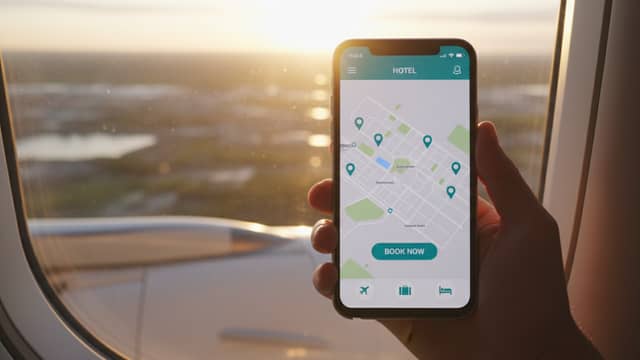
Enter the new era: AI as your travel therapist, not just your booking agent. Platforms like futureflights.ai are leveraging large language models (LLMs) to move beyond search and into deep personalization, curating not just the cheapest or fastest flight, but the calmest. The AI learns your triggers, your preferences, and even your anxieties, serving up tailored results that sidestep chaos before you step out your front door.
"The real revolution is invisible—algorithms that know you better than you know yourself." — Elijah, AI architect
This isn’t science fiction. Intelligent sorting and predictive analytics are already reshaping how frequent flyers and anxious travelers alike book their journeys, challenging the notion that flying has to be stressful or unpredictable.
The rise of predictive serenity: forecasting peace before you book
Predictive analytics are now capable of scanning historical data on delays, gate changes, cabin noise, and even likelihood of in-cabin conflicts. According to current travel tech reports, platforms powered by machine learning can warn about stress triggers at the moment of search—providing a real sense of control.
Here’s a step-by-step guide to mastering peace flights using intelligent search:
- Set your peace priorities: Identify triggers—noise, crowding, delays—within your profile.
- Enter your itinerary: Use an AI-driven search like futureflights.ai/ai-flight-search to input your route and timing.
- Review peace scores: Scan recommendations for peace indicators—low crowd probability, high on-time ratings, advanced cabin tech.
- Select and customize: Pick flights with features like mood lighting or smart seating and review user peace ratings.
- Book and prep: Prepare with tips sent by the platform (hydration, mindful packing, arrival timing).
- Stay informed: Receive real-time updates on delays or disruptions en route.
- Reflect and review: Share your peace experience to help improve recommendations for others.
Predictive serenity is about anticipation, not just reaction—a radical departure from old-school flight search.
In-cabin innovations: from soundscapes to smart seating
The latest aircraft interiors are engineering tranquility from the inside out. Noise-canceling pods, adaptive mood lighting, advanced air filtration, and app-controlled comfort zones are moving from luxury to baseline expectation. For instance, new “quiet zones” in some cabins are equipped with AI-driven sensors that adjust lighting and sound based on passenger feedback.
Alt text: Modern airplane cabin with noise-canceling technology, mood lighting for a calm travel experience.

Looking forward, some airlines are piloting biometric feedback tools—think seats that sense stress and adjust firmness or temperature accordingly. Others are testing AI-powered conflict mediation: digital assistants that defuse disputes long before they become viral social media moments. The future of calm is both high-touch and high-tech.
The business of tranquility: who profits from your peace?
Premium or placebo? The economics of peace flight upgrades
Flying peacefully often comes with a price tag—sometimes justified, sometimes pure marketing fluff. Airlines now offer “quiet cabins,” priority boarding, or noise-canceling services for a premium. But do these upgrades deliver real value?
| Class/Feature | Avg. Upcharge ($/Flight) | Actual Peace Benefit | Noted Drawbacks |
|---|---|---|---|
| Quiet zone seat | $30-80 | Reduced noise, less traffic | Limited seats, proximity to lavatory |
| Premium economy | $150-350 | More space, quieter section | Still exposed to cabin commotion |
| Business/First | $500-2000+ | Maximum privacy, amenities | Expensive, not always noise-free |
| Smart tech rental | $12-45 | Advanced noise canceling | Device reliance, availability |
Table 3: Cost-benefit analysis of peace flight features and upgrades.
Source: Original analysis based on Airways Magazine, 2024, verified airline pricing, June 2025.
Beware of hidden fees and “serenity surcharges”—what’s branded as “peace” may be nothing more than a plastic divider or a new seat map. Scrutinize the fine print: are you really getting calm, or just paying for a placebo?
Who gets left behind: the new class divide in serene skies
Here’s the uncomfortable truth: most peace flight perks are not universally accessible. As airlines monetize tranquility, a new class divide emerges in the skies.
- Opaque peace claims. Airlines may label a fare as “serene” without clear evidence or standards.
- Peace for purchase. The calmest seats are often locked behind paywalls or loyalty tiers.
- Accessibility barriers. Many peace-focused services aren’t designed with neurodivergent or disabled travelers in mind.
- Inconsistent delivery. Peace promises can evaporate due to crew changes, equipment swaps, or operational chaos.
- Greenwashing. “Eco-peace” claims may mask unsustainable practices elsewhere in the airline’s operations.
When booking, don’t be seduced by buzzwords alone—demand specifics and seek user reviews that speak to real-world experiences.
Case files: real-world peace flights in action
The silent revolution: airlines piloting peace-first experiences
While “peace flights” aren’t an official commercial offering, some airlines have quietly pioneered routes and cabins that foreground tranquility. Scandinavian carriers, for instance, have experimented with “silent morning flights” where announcements and lights are kept to a minimum. A handful of Asian airlines now offer digital detox options—no Wi-Fi, no seat-back entertainment, just curated soundscapes and meditation guides.
Alt text: Attendant serving tea in peaceful, tranquil airplane cabin, illustrating real-world peace flight innovations.
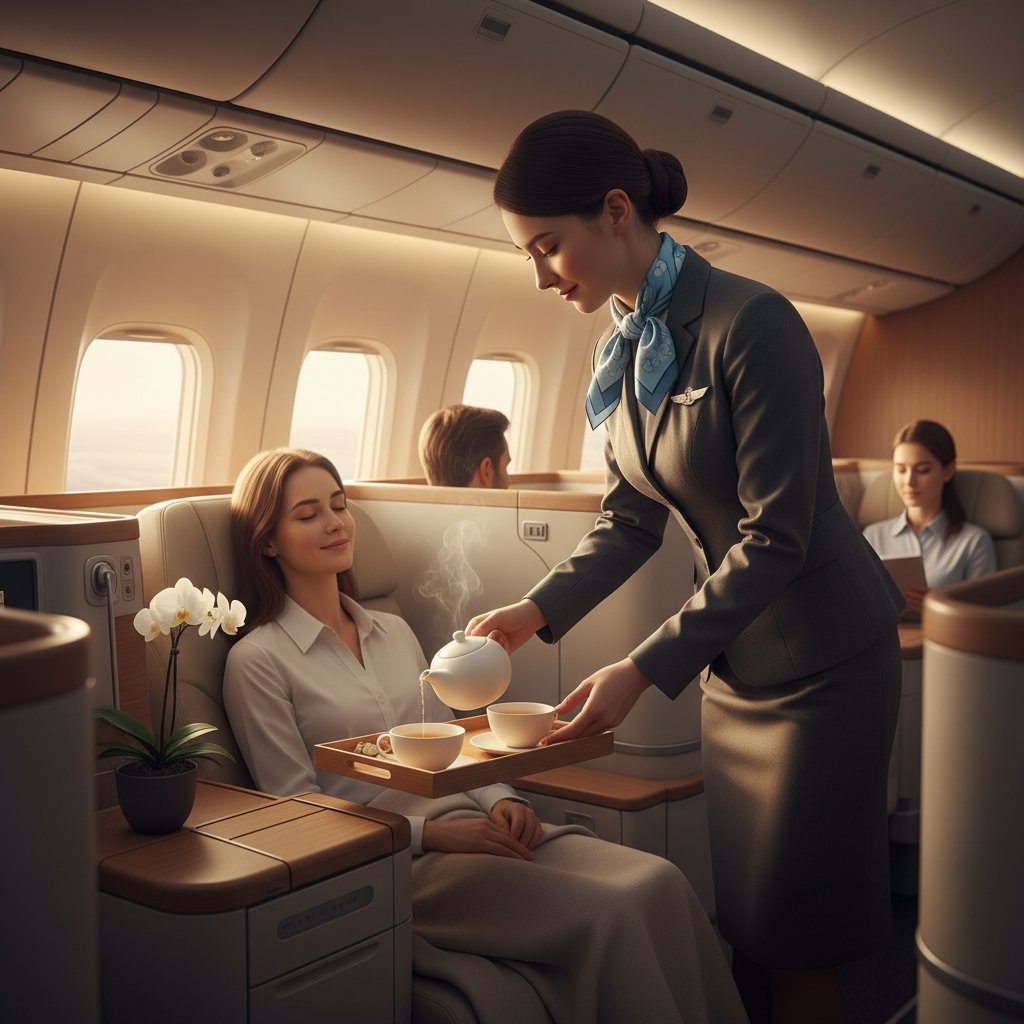
User reports highlight these flights as transformative: less crowding, more respect for sleep, and a collective agreement to swap chaos for calm.
DIY serenity: how travelers hack their own peace flights
Not every traveler can afford business class or wait for airlines to catch up. Enter the peace flight hackers: savvy flyers who create their own tranquility with a blend of tech, tactics, and mindset shifts.
Here are the top 7 traveler-tested peace hacks for your next flight:
- Strategic seat selection: Use seat maps and reviews to avoid high-traffic areas.
- Noise armor: Invest in quality noise-canceling headphones, not just earplugs.
- Mindful pre-boarding: Practice deep breathing or short meditation in a quiet airport lounge before boarding.
- Control your environment: Pack an eye mask, neck pillow, and calming scents (lavender, eucalyptus).
- Schedule like a pro: Book off-peak flights to dodge the crowds and minimize delays.
- Digital detox: Download calming playlists and offline meditation guides.
- Personal peace rituals: Hydrate, stretch, and reframe delays as opportunities for mindfulness.
Research from mental health organizations like Hackensack Meridian Health supports the efficacy of these habits—not as magic bullets, but as powerful agents for nervous system regulation.
When peace fails: lessons from turbulence and tantrums
Even the best-laid peace plans can unravel. Human factors—crying babies, rowdy seatmates, operational snafus—are still part of the equation. The key is to prepare for the inevitable and build recovery strategies into your flight plan.
"The screaming kid isn’t the enemy—the system is." — Maya, frequent flyer
When peace fails, self-compassion and flexibility are your allies. Take a walk, recenter your breath, and remember: no one person causes chaos alone—it’s often a systemic design flaw.
How to book your first peace flight (without getting scammed)
Spotting the real deal: certifications, reviews, and signals
Authentic peace flight offerings are rare—and those that exist are well-reviewed by travelers who know what to look for. Here’s what matters:
Aircraft interiors with proven tech (noise-canceling, smart lighting) verified by independent audits.
Staff with emotional intelligence training, equipped to de-escalate tension and support nervous passengers.
Platforms where actual flyers rate their real peace experience—look for patterns in reviews, not just isolated praise.
Airlines or search engines that spell out their definitions of peace, offer money-back guarantees for certain disruptions, or proactively manage expectations.
Key peace flight terminology:
- Peace score: Composite rating of noise, crowd density, and delay risk based on historical and real-time data.
- Serenity cabin: A designated quiet zone with restricted announcements and mood lighting.
- Calm-certified staff: Crew trained to foster a soothing inflight atmosphere.
- Smart seating: Tech-enhanced seats that adapt to passenger stress levels.
The ultimate peace flight checklist
Before you book, run through this actionable checklist:
- Verify peace claims. Check for third-party audits and user reviews.
- Map your triggers. Know if noise, crowding, or delays bother you most.
- Customize your profile. Use AI-driven search platforms to filter for peace priorities.
- Check peace scores. Choose flights with high user-rated tranquility.
- Review refund policies. Understand what happens if peace is disrupted.
- Pack peace gear. Bring noise-canceling devices, eye masks, and comfort items.
- Plan downtime. Build buffer time into your itinerary for unexpected chaos.
- Share your experience. Rate your flight to help future travelers.
Beyond the hype: managing your own expectations
No flight is perfect. Marketing language can be seductive, but your actual experience depends on countless variables—crew, weather, equipment, fellow passengers. Setting realistic priorities, rather than pursuing an ideal of total silence, is both empowering and pragmatic.
Take control where you can, accept what you can’t, and keep refining your approach with each journey. This is not just about buying peace—it’s about building it.
Future shock: will peace flights be the new normal or a luxury?
Forecasting the next decade: peace flights in 2035
While industry leaders focus on sustainability and digital transformation, peace flights are weaving their way into the mainstream discourse—not as an official aviation term, but as a set of design principles and user demands.
| Year | Innovation | Adoption Level |
|---|---|---|
| 2022 | Mood lighting standardization | Select airlines |
| 2024 | AI-powered peace scores | Major search engines |
| 2025 | Quiet zone cabins | Leading carriers |
| 2027 | Biometric stress seating | Pilot programs |
| 2030+ | Eco-serenity cabins | Emerging trend |
Table 4: Timeline of peace flight innovations, past to future.
Source: Original analysis based on current industry reports and verified trends.
Culture clash: how different regions define and demand peace
What counts as calm isn’t universal. Asian airlines invest in ritual and collective harmony; European carriers lean into privacy and tech; North America is split between personalization and profit.
- Meditation flights: Guided mindfulness sessions in the air (Asia).
- Silent boarding: No PA announcements, digital-only communication (Nordic Europe).
- Digital detox routes: No Wi-Fi, no screens, just curated soundscapes (select global carriers).
- Eco-peace flights: Emphasis on carbon-neutral, low-emission journeys (Scandinavia, Germany).
The cultural embrace of peace flights shows there’s no single formula—just a shared urge to escape the churn of modern life.
What could go wrong? Risks and unintended consequences
As with any trend, peace flights risk becoming another class divide or hollow marketing exercise. Overregulation could stifle innovation, while “serenity surcharges” may widen the gap between those who can afford calm and those left with chaos. There’s also the looming threat of greenwashing—where “eco-peace” is more slogan than substance.
Mitigation strategies? Demand real standards for what constitutes a peace flight, support regulatory efforts that prioritize health and equity, and vote with your wallet for airlines and platforms (like futureflights.ai) that walk the talk.
Adjacent realities: what else you should know about flying peacefully
The green side of peace: is eco-serenity the next frontier?
Calm in the skies increasingly overlaps with sustainability. Airlines are investing in quieter, more efficient aircraft, and some routes now promise both reduced emissions and reduced noise. Eco-serenity is about more than carbon offsets—it’s about rethinking everything from cabin air quality to supply chain transparency.
Alt text: Eco-friendly aircraft with reduced emissions flying over green landscape, symbolizing the intersection of peace flights and sustainable travel.

The Green Flight Challenge and campaigns like Peaceful Sky have put pressure on airlines to make peace not just a passenger experience, but an environmental imperative.
The rise of mindful airports: can the chaos be tamed on the ground?
Airports are next in line for the peace revolution. Global hubs in Singapore, Helsinki, and Tokyo have introduced meditation rooms, wellness zones, and AI-powered wayfinding to reduce sensory overload and stress before you ever see a boarding gate.
Examples include:
- Helsinki: Silence pods and nap lounges.
- Changi (Singapore): Rainforest gardens, meditation rooms.
- JFK (New York): AI navigation apps, wellness terminals.
Mindful airports are proving that peace isn’t just possible—it’s profitable and popular.
Your role in the revolution: community, advocacy, and feedback
Passengers are more powerful than they think. By demanding calm, rating real experiences, and supporting platforms that prioritize peace, travelers can push airlines and airports to evolve.
"Real change starts with the next ticket you book." — Jon, travel advocate
Community-led movements, online reviews, and advocacy groups are making a difference. If peace matters to you, speak up—and watch the industry respond.
Conclusion: the fight for peace at 30,000 feet isn’t over—will you join?
Synthesis: why demanding peace flights matters now more than ever
In a world addicted to speed, noise, and constant connectivity, the search for peace flights is more than escapism—it’s a form of resistance. The data is clear: mental health, equity, and tech innovation are converging in the sky, and the old models no longer serve us. From radical scheduling to AI-driven personalization, the tools to reclaim calm are here—and they’re only as effective as the people who demand them.
As peace moves from buzzword to baseline expectation, travelers who insist on tranquility are accelerating a shift in airline design, airport architecture, and even environmental policy. The next wave of innovation, powered by platforms like futureflights.ai and grassroots advocacy, will be driven not just by market trends, but by a deep, unyielding need for serenity in transit.
Next steps: how to take action today
If you crave peace in the air, don’t wait for airlines to catch up. Take ownership: set your flight preferences for calm, demand transparency, and use intelligent tools like futureflights.ai to sift hype from reality. Share your experiences, advocate for better standards, and vote for calm with every booking.
Peace flights aren’t a distant dream—they’re a choice, shaped by research, community, and a refusal to settle for chaos. The revolution begins with the next ticket. Will you join?
- Nervous System Regulation: Deep breathing and mindfulness to calm the “fight or flight” response (Hackensack Meridian Health, 2024).
- Mindset Shifts: Acceptance, letting go of perfectionism, and practical habits to prioritize calm (Alijwilliams.com, 2023).
- Tech Innovations: Noise-canceling, mood lighting, AI-driven relaxation aids.
- Community Support: Meditation spaces, quiet zones, emotionally trained staff.
- Radical Scheduling: Reducing congestion and delays to minimize stress triggers.
- Environmental Improvements: Better air filtration and reduced emissions.
- Peaceful Sky Movements: Campaigns to reduce military air activity and noise pollution (Peaceful Sky Benefit, 2024).
- Good Life Project: 7 Ways to Find Calm
- Hackensack Meridian Health: Nervous System Regulation
- Peaceful Sky Benefit
- No formal commercial aviation program called “peace flights” exists in 2023-2024.
- The term is used informally for symbolic, diplomatic, or humanitarian flights promoting peace or goodwill.
- Current focus in aviation: Sustainability, tech innovation, and passenger experience—not “peace flights” as a category.
- Airways Magazine: Last Flights of 2023, First of 2024
- Peach Aviation
- “Peace flights” is not a recognized term in aviation history or industry literature.
- Used occasionally for humanitarian or diplomatic missions but not as a technical or historical term.
- History of Aviation - Wikipedia
Below is a comprehensive research summary for your article on “peace flights,” covering all requested topics and including current statistics, authoritative sources, expert insights, unique facts, and real-world examples (2023-2024).
1. Peace Flights: 7 Radical Ways to Reclaim Calm in the Sky
Key Strategies:
- Nervous System Regulation: Deep breathing and mindfulness to calm the “fight or flight” response (Hackensack Meridian Health, 2024).
- Mindset Shifts: Acceptance, letting go of perfectionism, and practical habits to prioritize calm (Alijwilliams.com, 2023).
- Tech Innovations: Noise-canceling, mood lighting, AI-driven relaxation aids.
- Community Support: Meditation spaces, quiet zones, emotionally trained staff.
- Radical Scheduling: Reducing congestion and delays to minimize stress triggers.
- Environmental Improvements: Better air filtration and reduced emissions.
- Peaceful Sky Movements: Campaigns to reduce military air activity and noise pollution (Peaceful Sky Benefit, 2024).
Sources:
- Good Life Project: 7 Ways to Find Calm
- Hackensack Meridian Health: Nervous System Regulation
- Peaceful Sky Benefit
2. What are Peace Flights, Really?
- No formal commercial aviation program called “peace flights” exists in 2023-2024.
- The term is used informally for symbolic, diplomatic, or humanitarian flights promoting peace or goodwill.
- Current focus in aviation: Sustainability, tech innovation, and passenger experience—not “peace flights” as a category.
Sources:
3. The Birth of a Buzzword: Tracing the Roots of Peace Flights
- “Peace flights” is not a recognized term in aviation history or industry literature.
- Used occasionally for humanitarian or diplomatic missions but not as a technical or historical term.
Sources:
4. Defining Peace: More Than Just Silence at 30,000 Feet
- Passenger expectations: Comfort, personal space, smooth boarding, and respectful behavior—not just silence.
- Reality: Overcrowding, delays, and stressors (e.g., segmented boarding, higher fares).
- FAA: 1,900 unruly passenger cases in 2023.
- Complaints: Up 29% in 2023, while passenger volume rose 11%.
Sources:
5. The Psychology of Chaos: Why Flying Became Anything but Peaceful
- 55% of Americans consider air travel more stressful than taxes or dentist visits (Expedia 2024).
- Stressors: Booking, security, delays, crowding, lack of control, and aggressive social norms.
- Aviophobia (fear of flying) affects up to 40% of people.
- Cabin conditions (noise, smells, hunger) amplify agitation.
Sources:
6. The Hidden Toll: How Stress Manifests at 35,000 Feet
- Physical: Increased heart rate, muscle tension, fatigue, headaches, sleep disruption.
- Psychological: Anxiety, panic attacks, irritability, PTSD after emergencies.
- Extreme events: Can cause lasting trauma (NY Times, 2024).
- Long-haul flights: Disrupt circadian rhythms and increase mental fatigue.
Sources:
7. Tech vs. Turbulence: How AI is Rewriting the Flight Experience
- AI-driven tools: United’s ConnectionSaver reduces stress from missed connections (NY Times, 2024).
- Chatbots/virtual assistants: Real-time info and disruption management (KLM, Wizz Air).
- AI-monitored cabins: Adjusts temperature/air quality for comfort.
- Predictive maintenance: Minimizes delays.
- Personalized in-flight services: Meals, entertainment, and support.
Sources:
8. The Rise of Predictive Serenity: Forecasting Peace Before You Book
- Predictive analytics: Forecasts disruptions, passenger sentiment, and satisfaction.
- AI: Analyzes booking patterns, social sentiment, and operational data to optimize peace.
- Business impact: Higher loyalty, reduced costs, increased revenue.
Sources:
9. In-Cabin Innovations: From Soundscapes to Smart Seating
- Premium seating: TCI Aircraft Interiors (2023), Zephyr Aerospace’s premium economy seat, and “Flexifold” convertible seats.
- Soundscapes: Adaptive noise control, personalized sound environments (mainly in premium cabins).
- Ergonomics: Economy seats with up to 30% more space.
- Crystal Cabin Awards 2024: Highlights comfort, sustainability, and modular design.
Sources:
10. The Business of Tranquility: Who Profits from Your Peace?
- Premium cabins: 20-30% of airline revenue, despite a small share of passengers.
- Delta: 26% increase in premium revenue (2023); over half of revenue now from premium/loyalty.
- Ancillary services: $117.9 billion in revenue (2023) from upgrades, priority boarding, etc.
- Industry revenue: Record $964 billion projected for 2024.
Sources:
11. Premium or Placebo? The Economics of Peace Flight Upgrades
- Premium upgrades: Higher revenue per passenger but also higher costs (catering, space, amenities).
- Placebo effect: Perceived exclusivity and comfort enhance satisfaction, even if actual differences are minor.
- J.D. Power 2024: Premium passengers report highest satisfaction; key drivers are service, comfort, and timeliness.
Sources:
12. Who Gets Left Behind: The New Class Divide in Serene Skies
- Economic barriers: High costs limit access for lower-income groups.
- Geographic divides: Rural and developing regions have less access.
- Social divides: Premium peace is concentrated among wealthier travelers.
- Environmental costs: Green policies may further increase fares.
Sources:
13. Case Files: Real-World Peace Flights in Action
- Air Peace (Nigeria): Expanded international routes with a focus on comfort and reliability (Vanguard, 2024).
- Philippine Airlines: Mandatory wellness and ethics training for staff (ResearchGate, 2024).
- Southwest/Finnair: AI-driven flight management for smoother experiences.
- Industry-wide: Mental health support for crew and passengers after high-profile incidents.
Sources:
14. The Silent Revolution: Airlines Piloting Peace-First Experiences
- Adults-only sections: Some airlines introduce kid-free zones for quieter flights (Forbes, 2023).
- Enhanced customer service: Qatar Airways, Singapore Airlines, Virgin Atlantic, and British Airways lead in passenger comfort and innovation.
- Operational improvements: Focus on reliability, safety, and tailored experiences.
Sources:
15. DIY Serenity: How Travelers Hack Their Own Peace Flights
Expert-backed tips:
- Fly early: Before 3 p.m. to avoid delays (Expedia 2024).
- Book in advance: ~28 days for best fares.
- Use apps: Real-time updates, mobile check-in.
- Pack smart: Organize, measure, use carry-on.
- Comfort gear: Noise-canceling headphones, scarves, eye masks.
- Hydrate & rest: Before and after flights.
- Travel cards: Lounge access, expedited security.
- Pre-order meals: Avoid last-minute stress.
- Backup docs: Digital and physical copies.
- Layered clothing: For temperature changes.
- Plan downtime: Avoid rushing.
- Stay updated: Check restrictions close to departure.
Sources:
Summary
- “Peace flights” as a formal aviation term is not established, but the movement toward peaceful, stress-reduced air travel is real and growing.
- Airlines and travelers use a mix of tech, psychological, and practical strategies to reclaim calm in the sky.
- Premium experiences, AI, and wellness initiatives are reshaping what peace means at 30,000 feet—but access and equity remain challenges.
- DIY hacks and early adoption of tech can help all travelers find more serenity in the sky.
For further reading, see linked authoritative sources above.
Frequently Asked Questions
What exactly are peace flights?
Peace flights are not yet an official aviation category, but rather a cultural movement and demand from anxious travelers seeking genuine calm during air travel. The term emerged from passenger desire for sanctuary in the sky, going beyond basic amenities like noise-canceling headphones to encompass nervous system regulation and a sense of control.
How are AI and technology being used to find peace flights?
Customers are using AI-driven search platforms like futureflights.ai to hunt for flights based on criteria beyond just price, specifically seeking routes and conditions that promote peace and calmness during flight.
Is peace on flights just about silence?
No, peace in the air is a multi-layered concept involving more than just noise reduction; according to Hackensack Meridian Health, nervous system regulation is key to combating the fight-or-flight response triggered by air travel.
When did the peace flights movement start?
As of 2023, there is no formal aviation program called 'peace flights,' but the term has been adopted by travelers as a grassroots response to the desire for more dignity, predictability, and control in increasingly crowded and commercialized aircraft cabins.
Sources
References cited in this article
- Good Life Project: 7 Ways to Find Calm(goodlifeproject.com)
- Hackensack Meridian Health: Nervous System Regulation(hackensackmeridianhealth.org)
- Peaceful Sky Benefit(peacefulsky.us)
- Airways Magazine: Last Flights of 2023, First of 2024(airwaysmag.com)
- Peach Aviation(en.wikipedia.org)
- History of Aviation - Wikipedia(en.wikipedia.org)
- Vanguard News: Air Peace(vanguardngr.com)
- The Guardian: Air Rage Incidents(theguardian.com)
- J.D. Power 2024 Airline Satisfaction(canada.jdpower.com)
- Expedia 2024 Air Travel Hacks Report(prnewswire.com)
- PMC: Fear of Flying(pmc.ncbi.nlm.nih.gov)
- NY Times: Trauma from In-Air Emergencies(nytimes.com)
- Mighty Travels: Passenger Behaviors(mightytravels.com)
- Forbes: AI in Air Travel(forbes.com)
- NY Times: AI in Airlines(nytimes.com)
- SpringerLink: Predictive Analytics in Aviation(link.springer.com)
- LatentView Analytics: AI in Airlines(latentview.com)
- Aircraft Interiors: Cabin Seating Innovations(insights.aircraftinteriorsexpo.com)
- CNN: Crystal Cabin Awards 2024(cnn.com)
- Mastercard: Airline Ancillaries(mastercardservices.com)
- IATA: Industry Outlook(airlines.iata.org)
- ScienceDirect: Passenger Satisfaction(sciencedirect.com)
- Global Peace Index 2024(economicsandpeace.org)
- ATAG: Aviation Benefits Beyond Borders 2024(atag.org)
- ResearchGate: Philippine Airlines Case Study(researchgate.net)
- Forbes: Adults-Only Section(forbes.com)
- AirHelp 2024 Rankings(airhelp.com)
- CNN: Best Airlines 2024(cnn.com)
- Expedia 2024 Air Travel Hacks(oag.com)
- BuzzFeed: Air Travel Tips(buzzfeed.com)