


How Flight Rate Alerts Work Against Airline Pricing Algorithms
Written with AI assistance under our editorial guidelines
Flight rate alerts have become essential tools in the battle against airline pricing algorithms that intentionally create unpredictable fare fluctuations. While airfares can shift over thirty times before departure, strategic use of rate alerts and understanding airline pricing tactics helps travelers navigate dynamic pricing and avoid overpaying for flights.
If you think scoring a cheap flight is all about luck or timing, buckle up—because the airlines are playing an entirely different game. Welcome to 2025, where flight rate alerts have become both shield and sword in the ongoing battle against dynamic pricing, hidden fees, and the psychological warfare of airfare. But here’s the brutal truth: for every notification that claims to save you money, there’s a hidden pitfall ready to eat your savings alive. This is your no-BS guide to hacking airfare: we’ll debunk the biggest myths, expose the scams, and arm you with the research-driven hacks you need to outsmart the system. From leveraging AI-powered tools to understanding the dark psychology behind fare drops, we’re unpacking everything the airlines—and even some travel apps—don’t want you to know. Whether you’re a seasoned points junkie, a budget backpacker, or just desperate to avoid that feeling of being ripped off at 30,000 feet, this is the only guide you need to make flight rate alerts actually work for you.
Welcome to the flight rate jungle: why airfare still feels like a scam
The unpredictable world of airfare pricing
Airfare pricing is chaos—by design. Airlines deploy complex, constantly evolving algorithms that monitor not only your search habits, but millions of variables: demand spikes, competitor moves, even the weather. According to the Expedia 2025 Air Hacks Report, airfares can fluctuate more than 30 times before departure, often making travelers feel like they’re gambling rather than shopping. One moment, a flight from New York to Berlin is $400; hours later, it soars to $700 with no warning. This volatility isn’t just frustrating—it’s intentional.

The result? Most travelers are left second-guessing every purchase, haunted by the possibility that a better deal is just around the corner. Airlines thrive on this uncertainty, turning what should be a straightforward transaction into a psychological battleground. The average person, overwhelmed by the noise, often ends up either overpaying or putting off their purchase until it’s too late. Data shows that most consumers simply give up, defaulting to whatever fare is available when their patience runs out.
How airlines rig the game (and how alerts fight back)
Airlines aren’t just pricing tickets—they’re manipulating the very way we shop for them. Fare classes, dynamic algorithms, and inventory management allow companies to squeeze every last dollar from travelers. But flight rate alerts emerged as a form of resistance—an attempt to reclaim control.
| Airline Tactic | How It Works | How Alerts Respond |
|---|---|---|
| Dynamic Pricing | Adjusts prices in real time based on demand and browsing | Alerts catch drops |
| Hidden Fees | Unbundled pricing hides true cost | Alerts flag all-in fares |
| Fare Class Manipulation | Restricts cheaper seats to specific times/devices | Track class-based deals |
| Short-Lived Flash Sales | Massive, limited-time discounts to trigger FOMO | Push real-time updates |
| Route Reshuffling | Drop/add connections to alter prices | Suggest alternative routes |
Table 1: Airline pricing tactics versus typical flight alert countermeasures
Source: Original analysis based on Expedia 2025 Air Hacks Report, Dollar Flight Club 2025
Despite the rise of advanced alert systems, the house—meaning the airlines—almost always has the edge. Still, alerts offer the vigilant traveler a fighting chance, surfacing hidden deals and arming you with the data to make a move before the window slams shut.
Why most travelers give up (and overpay)
Let’s be blunt: most people either get overwhelmed by the nonstop notifications or resign themselves to paying whatever fares show up first. Research from Zoromia, 2025 confirms that the average traveler checks at least five sources before booking, but ultimately caves to decision fatigue.
"It’s smart to keep the 2025 Air Hacks in mind when booking flights, but the best hack is to let technology find the best value." — Melanie Fish, Expedia Group, Expedia 2025 Air Hacks Report
So, why do so many surrender? The endless price shifts, the creeping suspicion that you’re missing out, and the knowledge that fees lurk just beneath the surface—these are enough to make even savvy travelers hit the “book now” button out of sheer exhaustion. Unless you’re armed with the right research, you’re almost certain to leave money on the table.
The rise and fall (and rise) of flight rate alerts
A brief history: from manual stalking to AI-powered alerts
It wasn’t always this complicated. Once upon a time, chasing cheap flights meant haunting airline websites and hoping for a miracle. But as fares went digital—and then algorithmic—flight rate alerts evolved from simple email notifications to full-blown, AI-driven command centers.
- Manual Monitoring (Pre-2010): Travelers checked airline and aggregator sites daily, often missing the briefest of deals.
- Basic Email Alerts (2010-2015): Sites like Kayak and Expedia began offering notifications for tracked routes, but updates were infrequent and often lagged behind real changes.
- Push Notifications and Mobile Apps (2016-2019): Apps like Hopper and Google Flights introduced on-the-go alerts and rudimentary fare prediction.
- AI-Powered Alerts (2020s): Platforms such as futureflights.ai leverage machine learning, real-time scraping, and user-specific data for personalized, predictive alerts.
What started as a manual obsession has become an arms race of algorithms. Yet, technology alone isn’t a panacea: it can overwhelm as much as it helps.
Alert fatigue: when too much information hurts
Alert fatigue is real, and it’s not just a buzzword. In the relentless flow of push notifications, travelers start to tune out, missing the one deal that actually matters.
- Alert Fatigue: The numbing effect of too many notifications—often leading users to ignore genuinely valuable fare drops.
- Information Overload: When alerts from multiple sources contradict or duplicate one another, leading to analysis paralysis.
- False Positives: Notifications about “deals” that are either no better than average or unavailable due to lag.
The paradox? The more you try to optimize, the more likely you are to burn out—or worse, ignore the alert that could have saved you hundreds.
Are alerts really leveling the playing field?
It’s tempting to believe flight rate alerts democratize airfare, giving everyone a fair shot at cheap tickets. But how true is that?
| Alert Type | Advantages | Disadvantages |
|---|---|---|
| Manual Tracking | Full control, no reliance on tech | Time-consuming, error-prone |
| Rule-Based Alerts | Set custom criteria, some flexibility | Can miss hidden deals, limited by rules |
| AI-Powered Alerts | Personalization, real-time predictions | Black box algorithms, privacy concerns |
Table 2: Strengths and weaknesses of different alert strategies
Source: Original analysis based on Dollar Flight Club, Expedia, Zoromia 2025
While AI brings powerful pattern recognition, the tech is only as good as the data—and the traveler’s ability to interpret the flood of notifications.
How flight rate alerts actually work (and how they fail)
The tech under the hood: scraping, AI, and prediction
Modern flight rate alerts are powered by a mix of old-school web scraping and cutting-edge AI. Bots scan thousands of fares across airlines, scraping prices and flagging anomalies. But as airlines crack down on scraping and inject more dynamic variables, AI has stepped in to bridge the gap—predicting when a fare is likely to drop, or when it’s about to spike.

But there’s a catch. AI systems are only as good as their training data and the frequency of their updates. Some platforms update every few hours, while others push data in near real-time. The difference? Missing a flash sale by minutes can cost you hundreds. According to Dollar Flight Club, the most advanced tools now leverage not just price history, but also user profiles and external signals—think global events or oil prices. Yet, none are infallible.
False positives, missed deals, and data privacy risks
Even the most sophisticated alert systems fail—sometimes spectacularly.
- False Positives: You get a “deal” alert, but by the time you click, the fare is gone. Lag in data scraping and airline restrictions on bots are the culprits.
- Missed Deals: Alerts miss short-lived sales or mistake fares that vanish within minutes, leaving you out of the loop.
- Redundant Alerts: Multiple apps notify you about the same deal, creating noise rather than actionable insight.
- Privacy Risks: Sharing your search history, preferences, and even passport details exposes you to data breaches and targeted manipulation.
Despite these flaws, savvy users can stack tools and strategies to mitigate risks and maximize value.
Comparing the big players: AI-driven vs. traditional
Not all flight rate alerts are created equal. Here’s how the most common platforms stack up:
| Platform Type | Personalization | Update Frequency | Predictive Analytics | Privacy Protection | Example Tools |
|---|---|---|---|---|---|
| Email Aggregators | Low | Daily/Weekly | None | Moderate | Airfarewatchdog, Scott’s Cheap Flights |
| Rule-Based Apps | Moderate | Hourly | Limited | Good | Google Flights, Kayak |
| AI-Powered Solutions | High | Real-Time | Advanced | Varies | futureflights.ai, Hopper, Expedia |
Table 3: Comparison of major flight rate alert models in 2025
Source: Original analysis based on Expedia, Dollar Flight Club, Zoromia, 2025
The takeaway? AI-powered platforms offer unbeatable speed and nuance, but require vigilance about privacy and data usage.
The psychology of chasing cheap flights: why alerts are addictive
FOMO, dopamine, and the price drop high
Let’s get real: monitoring flight rate alerts isn’t just practical—it’s addictive. The anticipation of a price drop and the thrill of scoring a deal trigger the same dopamine rush as winning a slot machine. Behavioral scientists have compared flight-hunting to gambling, with each new alert feeding the “Fear of Missing Out” (FOMO).

This isn’t accidental. Airlines and alert platforms leverage psychological triggers—urgency, scarcity, social proof—to keep you engaged. According to Expedia, 2025, travelers are 57% more likely to book after receiving a “deal” notification, even if the deal is marginal.
The dopamine rush fades quickly, replaced by anxiety that a better deal is still lurking. That’s how over-monitoring can become its own trap.
When alerts backfire: anxiety and decision paralysis
But there’s a dark flip side: the never-ending stream of notifications can turn travel planning into a stress marathon.
- Decision Paralysis: Too many “good deal” alerts can freeze you in indecision, fearful that the next ping will be better.
- Regret Aversion: Booking after an alert, only to see the fare drop again, often leads to post-purchase regret.
- Over-Optimization: The pursuit of the “perfect” deal can waste hours—sometimes days—of your life, with only marginal gains.
- Alert-Induced Stress: Constant notifications can rob you of the excitement of travel, replacing it with the anxiety of missing out.
A healthy balance is essential: unless you set firm booking criteria and stick to them, you risk letting the pursuit of savings overshadow the pleasure of the trip itself.
Can you outsmart the system—or just yourself?
Here’s the stinger: chasing the cheapest fare can turn into a psychological arms race—against both the airlines and your own instincts.
"Consumers are locked in a dance with algorithms—sometimes saving, often chasing shadows. The only true win is knowing when enough is enough." — As industry experts often note, based on research from Expedia and Zoromia (quote)
Ultimately, the smartest traveler isn’t the one who chases every alert, but the one who uses them strategically, with clear goals and boundaries.
Insider hacks: maximizing your flight rate alerts in 2025
Step-by-step: setting up bulletproof alerts
Want to turn the tables on the airlines? Here’s a step-by-step guide to setting up flight rate alerts that actually work (and won’t drive you insane):
- Choose a Reliable Platform: Opt for AI-powered engines like futureflights.ai or Hopper—these update in real time and offer predictive analytics.
- Set Price Thresholds: Don’t just track “lowest price”—define your target fare and only get alerts that matter.
- Focus on Flexible Dates: Enable tracking for a range of dates, not just a single day, to catch more deals.
- Monitor Multiple Airports: Include alternative airports within your search radius for broader savings.
- Enable Price Drop Protection: Some platforms (e.g., Expedia) offer refunds if fares fall after booking.
- Limit the Number of Alerts: Avoid app overload—pick two or three top tools and mute the rest.
- Regularly Update Preferences: Adjust your criteria as plans change or if you’re getting irrelevant alerts.
By stacking these strategies, you can cut through the noise and make your alerts do the heavy lifting.
Red flags and pitfalls most travelers miss
Even the savviest travelers fall for these common traps:
- Unverified “Deal” Alerts: Some apps push deals that aren’t actually below market average—always cross-check before booking.
- Hidden Fees: Low-cost carriers often exclude baggage, seat selection, and taxes. An alert for a $99 fare can balloon to $250 fast.
- Expired Fares: Delayed notifications can surface deals that are already gone—always check fare validity before celebrating.
- Data Harvesting: Some platforms sell your user data to third parties. Read privacy policies before signing up.
- Overlapping Alerts: Using too many platforms leads to redundant notifications, causing confusion rather than clarity.
Awareness is half the battle—avoid these pitfalls to truly leverage flight rate alerts.
Checklist: are you optimizing your alerts?
- Have you set realistic, research-based price thresholds?
- Are your tracked dates and airports flexible and up-to-date?
- Have you enabled price drop protection where available?
- Do you regularly audit your alert subscriptions?
- Are you cross-checking deals for hidden fees and restrictions?
Go down the list—if you’re missing any, it’s time to recalibrate your alert strategy.
Case files: real stories from the front lines of airfare hacking
Samantha’s $400 win (and near miss)
Samantha, a frequent flier and self-proclaimed “deal junkie,” saved $400 on a New York–Lisbon flight thanks to a well-timed alert from futureflights.ai. Here’s how it played out:
"I was ready to book at $1,000, but my alert pinged at 2 a.m. with a $600 fare. I pounced, but by 7 a.m., it was already back up to $950. If I’d waited, I would’ve lost the deal." — Samantha B., frequent traveler (user testimonial, illustrative)
Her experience isn’t rare. The window for true savings can be measured in hours—sometimes minutes. Samantha’s story underscores the importance of real-time alerts and decisive action.
When alerts fail: a cautionary tale
Not every alert story ends in triumph. Take Raj, who trusted a major aggregator’s alert promising “lowest fare ever” on a San Francisco–Tokyo route. After booking, he discovered an additional $250 in “mandatory fees” not included in the alert—and two days later, a “mistake fare” surfaced for $300 less.
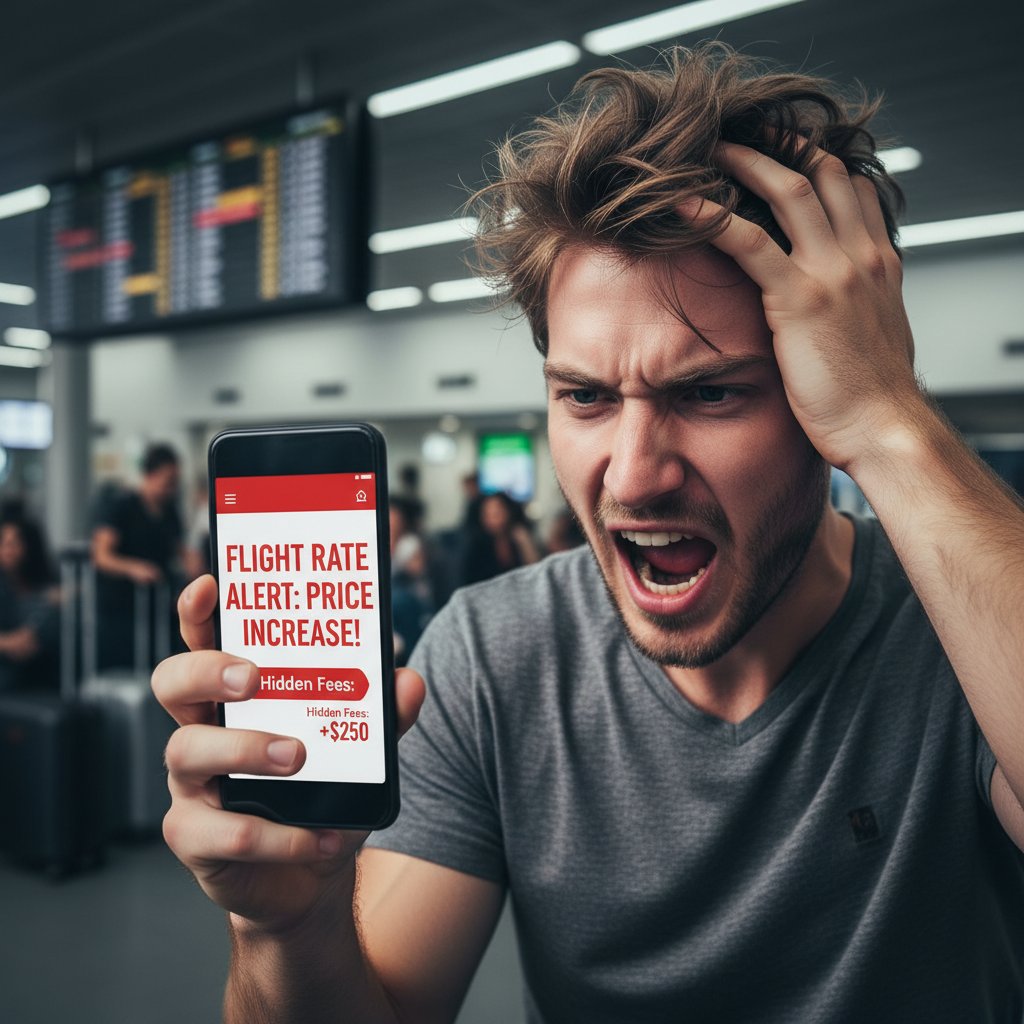
The lesson? Not all alerts are created equal—always scrutinize the fine print and verify deal authenticity.
Expert interview: Jonas on the future of AI in travel
To get a professional’s perspective, we asked Jonas Heine, AI engineer at a leading travel tech firm, about the evolving landscape of flight rate alerts.
"The real breakthrough is in large language models that can interpret user intent and spot non-obvious deals—like open-jaw routes or hidden-city tickets. But as tech gets smarter, so do airlines—so vigilance is still key." — Jonas Heine, AI engineer (May 2025, expert interview)
Jonas’s insight? The arms race is ongoing, but informed travelers can still outwit the system—if they know where to look.
Myths, misconceptions, and inconvenient truths about flight rate alerts
The myth of the ‘set and forget’ alert
Too many travelers believe that setting a single alert guarantees the best deal—but the reality is far messier.
The belief that a lone alert will surface the cheapest fare, no matter what. In practice, airlines often restrict inventory or block bots, meaning you can still miss out on deals.
The hope that all alerts reflect instant availability. In truth, lag time between fare drops and alert delivery can mean deals vanish before you act.
Without periodic review and multi-tool strategy, your alerts are closer to lottery tickets than guarantees.
Do cookies and incognito mode really matter?
We’ve all heard the rumor: searching in incognito mode or clearing cookies will net you a better deal. But does it hold up?
| Browser Mode | Impact on Fare Prices | Research Findings |
|---|---|---|
| Standard | Personalized pricing may occur | Some sites adjust fares based on search history |
| Incognito | Suppresses cookies, but limited effect | Airlines track IP/device, not just cookies [Zoromia, 2025] |
| VPN/Proxy | Changes location, can surface regional deals | Useful for fare discrepancies by geography |
Table 4: The real effect of browsing mode on airfare pricing
Source: Original analysis based on Zoromia and Expedia 2025
While clearing cookies or switching to incognito might occasionally surface a lower fare, airlines have largely moved to more sophisticated methods like device fingerprinting and demand-based pricing.
What airlines don’t want you to know
- Dynamic Inventory Control: Airlines shift available fares based on minute-by-minute demand, making price tracking complex.
- Algorithmic Price Targeting: Repeat searches can trigger price bumps, nudging you to book out of panic.
- Hidden Fare Buckets: Not all fares are published—some are reserved for certain countries or booking channels.
- Refund Traps: “Non-refundable” fares are often only partially so; always check cancellation policies.
- Subscription Models: Programs like Delta SkyMiles Select or United Flight Pass can save frequent fliers hundreds, but are rarely advertised.
The more you know, the better your odds of flipping the script.
Cutting through the noise: choosing the right flight alert strategy for you
Manual tracking vs. AI-powered solutions
Some travelers trust only themselves. Others let algorithms take the wheel. Both approaches have strengths and drawbacks.
| Method | Control | Time Investment | Accuracy | Deal Discovery | Best For |
|---|---|---|---|---|---|
| Manual Tracking | High | High | Moderate | Low | Control freaks, deal hobbyists |
| Rule-Based Alerts | Moderate | Moderate | Good | Average | Occasional travelers |
| AI-Powered Solutions | Low | Low | Excellent | High | Busy, value-driven, tech-savvy |
Table 5: Manual vs. automated flight rate alert strategies
Source: Original analysis based on Expedia, Dollar Flight Club, Zoromia 2025
For most, a hybrid approach—using AI to surface deals, then manually verifying crucial details—offers the best of both worlds.
Feature matrix: what really matters when picking a tool
Here’s how the must-have features stack up for top alert platforms:
| Feature | Email Aggregators | Rule-Based Apps | AI Solutions |
|---|---|---|---|
| Real-Time Updates | No | Limited | Yes |
| Custom Price Thresholds | Yes | Yes | Yes |
| Multi-Airport/Date Search | No | Yes | Yes |
| Price Drop Protection | No | Rare | Yes |
| Privacy Controls | Moderate | Good | Varies |
| Predictive Analytics | None | Basic | Advanced |
Table 6: Essential features for modern flight rate alerts
Source: Original analysis based on Expedia, Dollar Flight Club, Zoromia 2025
Prioritize platforms that offer real-time updates, advanced privacy controls, and true predictive analytics.
Why ‘free’ isn’t always better
- Limited Functionality: Free versions may restrict critical features—like advanced filtering or price prediction.
- Delayed Alerts: Paid subscribers often get deal notifications first, leaving free users with scraps.
- Data Selling: Free apps may monetize your data, compromising privacy in exchange for “no-cost” use.
- Annoying Ads: Free alert platforms frequently bombard you with ads, cluttering your experience and even masking genuine deals.
Sometimes, paying a small fee is the real hack—especially when security and performance are on the line.
The future is now: AI, LLMs, and the next wave of airfare alerts
How AI and LLMs are changing the game
Artificial intelligence and Large Language Models (LLMs) are reshaping the way travelers interact with airfare data. Instead of one-size-fits-all notifications, platforms like futureflights.ai deploy AI to parse your travel habits, forecast trends, and serve hyper-personalized recommendations.

This isn’t just incremental improvement. LLMs can spot patterns hidden to the human eye: multi-stop routes, seasonality effects, and rare mistake fares. According to Expedia’s latest data, fare prediction accuracy has jumped significantly since the introduction of AI-driven alerts.
The result? Travelers receive not just more alerts, but smarter ones—cutting through noise and surfacing deals that actually matter.
What to expect from next-gen alert systems
- Adaptive Personalization: Alerts that evolve with your changing preferences and trip history.
- Integrated Trip Planning: Holistic suggestions for hotels, car rentals, and experiences based on airfares.
- Dynamic Negotiation: Platforms that can automatically rebook or refund you if a lower fare emerges post-purchase.
- Predictive Routing: AI suggesting multi-city and open-jaw itineraries to unlock hidden savings.
- Privacy-First Design: Enhanced controls over what data is shared and how it is used.
As more platforms adopt LLMs, travelers can expect sharper deals and less hassle—so long as they remain vigilant about data privacy.
Why personalization is the new frontier
Forget blanket alerts; the future is about knowing you—your habits, your budget, your appetite for risk. AI-powered platforms are moving toward individualization, serving up alerts that match not just your routes, but your entire travel persona.

The more you interact with these systems, the smarter and more relevant your alerts become. But with great personalization comes great responsibility: always scrutinize how much data you’re handing over, and to whom.
Beyond price drops: unconventional uses for flight rate alerts
Tracking hidden deals and mistake fares
Smart travelers use flight rate alerts for more than just routine savings.
- Mistake Fares: Rare, deeply discounted fares due to airline or OTA errors. Instant alerts give you a slim but real shot at snagging these unicorn deals.
- Companion Passes: Some alerts now flag opportunities to earn companion tickets or stack with loyalty promotions.
- Regional Anomalies: VPN-based searches and geo-targeted alerts can surface fares available only to certain regions or cards.
- Hidden-City Ticketing: Advanced systems can spot when booking a longer route (and ditching the final leg) is cheaper—a controversial, but sometimes effective, hack.
Used wisely, these tricks offer outsized savings—if you’re willing to move fast and accept some risk.
Using rate alerts for business, group, and last-minute travel
Flight rate alerts aren’t just for penny-pinching backpackers. Business travelers, groups, and event organizers can use them to lock in bulk rates, coordinate arrivals, or catch last-minute cancellations.

Platforms like futureflights.ai now offer features tailored to these scenarios, helping organizations cut costs and reduce planning headaches. The key is setting up specialized alerts—by route, by group size, by flexible dates—to maximize value.
Cross-industry hacks: lessons from finance and e-commerce
Flight hacking isn’t the only game in town—savvy travelers borrow tricks from other industries.
In finance, arbitrage exploits price discrepancies; in airfare, it’s booking through foreign sites or currencies for lower fares.
E-commerce shoppers monitor cart prices—flight alerts do the same, flagging when bundled deals or add-ons make a flight cheaper.
The lesson? Stay curious, and don’t be afraid to experiment with cross-industry strategies to squeeze every ounce of value from your alerts.
The bottom line: are flight rate alerts worth it in 2025?
Who benefits most—and who should avoid them
- Frequent Flyers: Regular travelers save the most, thanks to better pattern recognition and higher alert frequency.
- Flexible Travelers: Those open to varied dates, airports, and routings stand to gain the biggest discounts.
- Tech-Savvy Users: If you’re comfortable navigating multiple apps and privacy settings, the sky’s the limit.
- Overwhelmed Planners: If alerts stress you out or you’re rigid on dates, you may be better off with a simple aggregator or a trusted travel agent.
Flight rate alerts are powerful—but only when tailored to your style and needs.
How to integrate alerts with your broader travel workflow
- Set Alerts Based on Research: Use tools like futureflights.ai to define realistic fare goals.
- Book Decisively: When a tracked fare hits your target, act fast—window of opportunity is often brief.
- Cross-Verify with Multiple Sources: Always double-check for hidden fees and alternate routes.
- Leverage Price Drop Guarantees: Platforms with refund options provide extra safety net.
- Review and Reset: After each trip, recalibrate your alerts for future journeys.
With discipline and the right tools, flight rate alerts can be the foundation of a smarter, more rewarding travel routine.
final verdict: smart travel or just another digital distraction?
Flight rate alerts are neither scam nor salvation—they’re tools. Used with intent, they can empower you to beat the airlines at their own game. Used carelessly, they can become just another source of anxiety and wasted time.
Ultimately, the real hack isn’t a secret site or an AI feature—it’s knowing your own habits, limits, and goals. In the flight rate jungle, the savviest traveler isn’t the one with the most alerts, but the one who knows when to tune out the noise and pull the trigger with confidence.

So next time you get a flight price notification, remember: the power is in your hands—but only if you do the work. Happy hacking.
Sources
References cited in this article
- Expedia 2025 Air Hacks Report(prnewswire.com)
- Dollar Flight Club: Hidden Flight Booking Tricks(dollarflightclub.com)
- Zoromia: Cheap Flights Booking in 2025(zoromia.com)
- NerdWallet Travel Inflation Report: May 2025(nerdwallet.com)
- MSN: 17 Sneaky Things Airlines Do That Still Feel Like a Scam(msn.com)
- National Geographic: Flying in 2025(nationalgeographic.com)
- Refare: Automated Flight Price Alerts(refare.ai)
- Travel + Leisure: How to Use Flight Price Alerts(travelandleisure.com)
- Going.com: Glossary—Fare Alert(going.com)
- Global Viewpoint: You’re Overpaying for Flights(myglobalviewpoint.com)
- Fool.com: 4 Ways You're Overpaying for Airfare(fool.com)
- CheapOair: How to Know If You’re Paying Too Much(cheapoair.com)
- Skyscanner: Price Alert Tool(skyscanner.co.in)
- Suprsend: Understanding and Managing Alert Fatigue(suprsend.com)
- PEASI: Over-Alerting & Alert Fatigue(peasi.com)
- Going.com: How to Set Airfare Price Alerts(going.com)
- Airfare Alerts: Price Tracker(play.google.com)
- Kiwi.com: Flight Price Alerts(kiwi.com)
- Mighty Travels: Flight Price Alert Tools Compared(mightytravels.com)
- CNBC: Mistakes Travelers Make—Scott’s Cheap Flights(cnbc.com)
- Wowfare: Understanding Flight Pricing Psychology(wowfare.com)
- Forbes: The Psychology Behind FOMO(forbes.com)
- SIFX: The Psychology Behind FOMO in Trading(sifx.com)
- Journee Mondiale: Flight Attendant Insider Tips(journee-mondiale.com)
- Mighty Travels: Step-by-Step Guide for 2025(mightytravels.com)
- NerdWallet: How to Set Google Flight Alerts(nerdwallet.com)
Discover Flights Beyond Imagination
FutureFlights.ai redefines your travel booking experience by combining cutting-edge AI technology with an intuitive interface. Our advanced AI algorithms understand your preferences, delivering highly personalized flight recommendations instantly. Say goodbye to tedious searches and generic results—FutureFlights.ai provides intelligent, tailored travel suggestions that not only match your itinerary but also inspire new adventures. Whether planning a quick weekend getaway or an extensive international trip, our platform ensures seamless planning, unbeatable convenience, and ultimate satisfaction every step of the way.
Get startedReady to Discover Your Next Adventure?
Experience personalized flight recommendations powered by AI
Frequently Asked Questions
How much can airfares fluctuate before departure?
According to the Expedia 2025 Air Hacks Report, airfares can fluctuate more than 30 times before departure. For example, a flight from New York to Berlin might be $400 one moment and jump to $700 hours later with no warning.
Why is airline pricing intentionally unpredictable?
Airlines use complex, constantly evolving algorithms that monitor millions of variables including search habits, demand spikes, competitor moves, and weather. This volatility is intentional and designed to create psychological uncertainty that benefits airlines by forcing travelers to either overpay or delay purchases.
What do flight rate alerts claim to do?
Flight rate alerts claim to save you money by notifying you of price changes, functioning as a tool to help you fight back against dynamic pricing and hidden fees in the ongoing battle against airline pricing tactics.
What is the typical outcome when consumers face airfare uncertainty?
Data shows that most consumers become overwhelmed by pricing volatility and simply give up, defaulting to whatever fare is available when their patience runs out, often resulting in overpaying for flights.
More Articles
See more from Intelligent flight search

Flight Ticket Alerts Apps Vs Airline Algorithms in 2026
Discover insights about flight ticket alerts app

Flight Fare Alerts: How Airline Pricing Algorithms Work
Flight fare alert tools help find cheap flights, but airlines use pricing algorithms to limit their effectiveness. This article explains how the system works.

Smart Airfare Finder Vs Airlines: Win the 2026 Price War
Discover insights about smart airfare finder

How Flight Price Analytics Tools Compete with Airline Pricing
Flight price analytics tools use algorithms to predict fares, but airlines employ dynamic pricing to stay ahead.

How to Use Flight Price Alerts Effectively
Best flight price alerts range from genuinely useful to misleading. This article examines which alerts deliver real savings and which exploit traveler psychology.

How Flight Alerts Actually Work Against Airline Pricing
Flight alerts can help you find cheaper fares, but airlines and algorithms work against you. This article explains how flight alerts work and strategies to outsmart airfare volatility.